Indie-Con brings together some of the sharpest minds and voices in the recording industry, and this year we’re proud to see so many incredible women and gender diverse people taking the stage. As part of our work spotlighting women and gender diverse people across the industry, we’re showcasing four speakers from Indie-Con in this mini series. These four are shaping conversations, building communities, and pushing the industry forward in their own way. We are excited to share some words from starting with Clover Blue, Sarah Wolfe, Morgan Perry and Sophie Brown.
Clover Blue
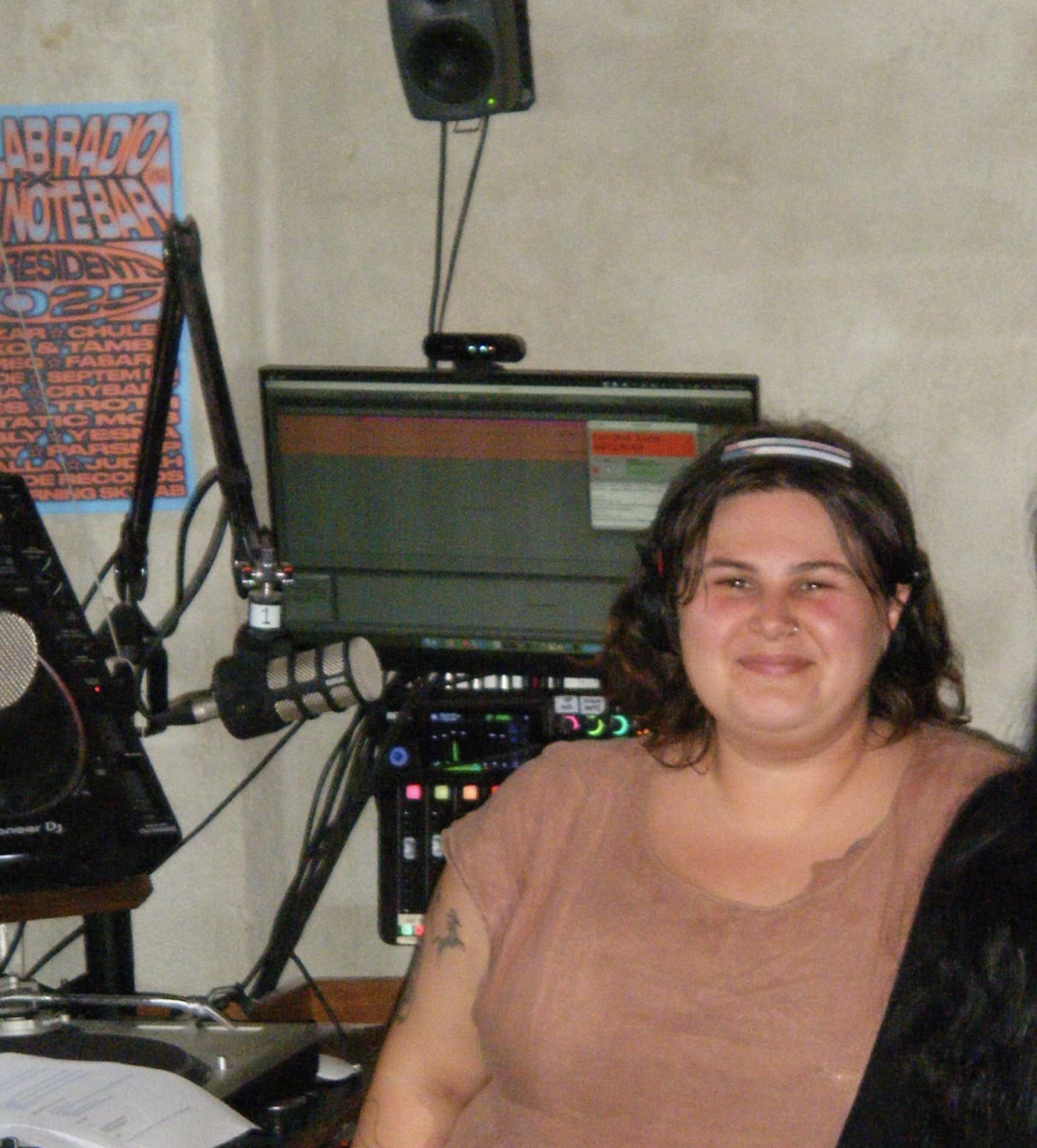
What is some advice you’d give your younger self?
Embrace the chaos, life is a bull ride, and the sooner you learn to move with the motions of the beast rather than try to move it by the horns, the easier it becomes. Write any time you are moved to, and seldom check for error unless it is a formal situation. Remember the value of community. Nothing you do happens in a vacuum, and the sooner you understand the positive relationships that can be built between your weaknesses and someone else’s strengths, the better. Always carry the magic of friendship with you like a lucky rabbit’s foot. Remember that mirth is a gift you can give to others. It’s okay to really love music and people.
What’s the biggest misconception people have about being/working independent?
That ‘independent’ has to be a literal term, and by definition you have to do it alone. The wonder of working ‘independent’ is that you position yourself and your work within a web of other people. The power of being independent is that you retain control of your work, how you present yourself and who you gift the ability to help you do that. It allows you to become stronger by building a network rather than being forced into one, and enables you the ability to reinvest in the community you position yourself in.
I am an ‘independent’. I have never chosen to do the entirety of my work alone, whether that be bringing in the support of my band, or the body of people who help me create and deliver a recording, or working with the team at Prologue to present our show that honours the independent community around us.
What’s the boldest creative risk you’ve taken in your work?
I have tried to never build a box around what I want my creative work to be, or how I want to exist in the creative space, so it is hard to decide what the boldest creative risk may be. Once I tried to rap (I don’t think that counts). Maybe the boldest creative risk I’ve taken is in the breadth of work that I try to be a part of. To be an artist and an administrator and a radio presenter and have a 9-5, and to hope at the end of that day that other people find value in the work I do in all of those roles. Risk feels minimised when you build a strong support network around you, and so even the bolder risks I take feel worthwhile as they exist outside of myself.
Morgan Perry
What is some advice you’d give your younger self?
I’d tell her to start honing and nurturing a network as soon as possible. I’ve always placed value on quality over quantity when it comes to relationships within the music business and still do, but in the earliest years of my career I left a lot up to chance – “Oh, we’ll hang at the next show we happen to be at together”. I just wasn’t actively following up and maintaining relationships, even with people I really enjoyed hanging out with or working with! I know the idea of a ‘network’ can sometimes come off as corporate, but it’s so important to have a group of people (who aren’t your direct coworkers!!) to bounce ideas off of or get a fresh perspective on something, and it’s consistently where I get the best music recommendations. Yes, sometimes we find something to work together on, but oftentimes we don’t. It’s just having a beer, eating pizza, catching up on life, then talking about our favorite music. What’s better than that?
What’s the biggest misconception people have about being/working independent?
I believe some people think that when you work in the independent side of the business, you aren’t beholden to the trends and demands of the larger industry. But we are big time. I can’t speak for everyone, but yes, of course, independent labels are having conversations about influencer marketing and TikTok strategy. The difference is that our budgets usually dictate how we can and, more often, how we can’t interact with those tools. At the same time, it feels like the burden of innovation still falls on the shoulders of independent artists and labels. It can be exhausting to constantly push yourself and your team for unique and interesting marketing ideas just to try and stand out an inch more than something else and to hope it reaches the right audience.
What’s the boldest creative risk you’ve taken in your work?
This is a tough question because I don’t necessarily consider my work creative, but if I were pressed to pick something, perhaps it was being the lead project manager on the No Name Jack White record and conducting the train as we decided to ‘release’ the album by giving it away physically for one day without officially announcing it. It was a risk that paid off, but the team placed a lot of value in knowing Jack’s audience, how they communicate and betting on the idea of scarcity driving interest and word of mouth consumption. Plus, it was a great record, which matters more than anything. To be clear, the idea to give the record away was not mine! However, the successful execution of the strategy came down to a small team of folks, of which I was lucky to be a part of. From the outside looking in, it probably seemed like this was a decision made on a whim, but it wasn’t. There was A LOT of careful planning and discussion in the leadup to the giveaway. On the day of the giveaway, it felt like a stock trading floor environment in our office, which ultimately ended with us making a last minute decision to encourage fans to rip and share the album with those who couldn’t get a copy. It definitely ranks high on my list of most memorable days in the office.
Sarah Wolfe
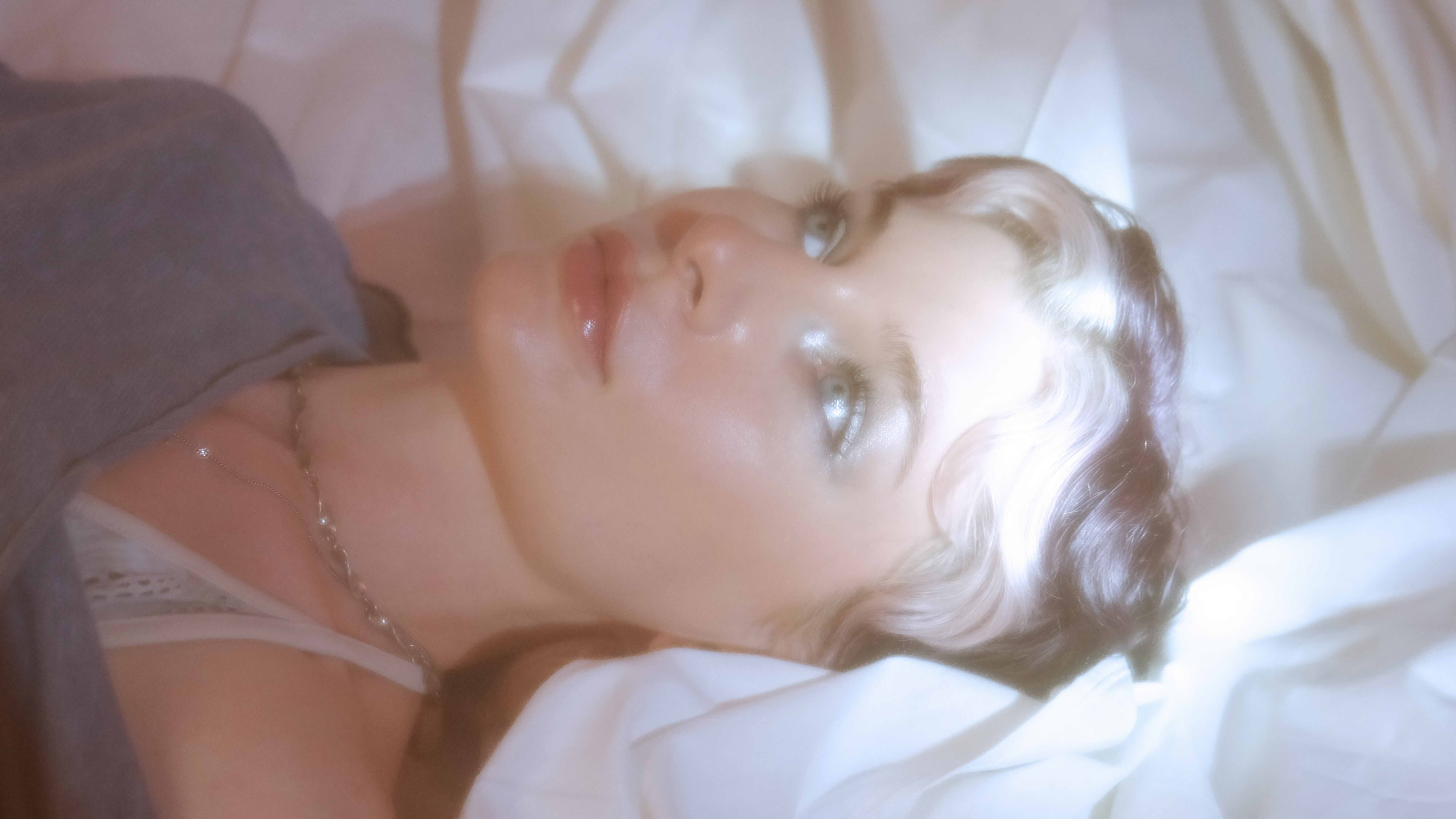
What is some advice you’d give your younger self?
There is never one set path to get to where you want to be in life. No matter how perfect your plan may be, there will always be setbacks or bumps in the road, and the sooner you can start looking at those moments as a time to be curious and explore new options, the happier you will be on your journey. You might (and did) drop out of uni; you might (and did) have unexpected brain surgery; you might (and did) have a side quest into competitive speed jigsaw puzzling – your path also won’t look like other people’s, and that is ok. Don’t fear change, don’t compare yourself to others, and learn to be comfortable with the uncomfortable, because those moments of growth are what make you unique.
What’s the biggest misconception people have about being/working independent?
To be an independent artist, you have to work alone! The biggest thing I learned from working as a musician in indie games is the importance that people in the games industry place on growing your community and raising up those around you. Building friendships with other artists and creatives, being part of a community, and growing genuine connections is an incredibly healthy way to create. Don’t be afraid to ask for help from those around you, but equally (or even more importantly!), be open and willing to help others when they come to you.
What’s the boldest creative risk you’ve taken in your work?
Probably making the shift from being a solo artist just releasing my own music to working with indie games companies and creating music for their soundtracks! I was feeling pretty directionless in my music after my surgery and how long the recovery took, so when the opportunity arose to combine my passion for music and my passion for games together, I jumped on it, and it made my music and my creativity so much stronger. Pop music has always been where my heart lies, but I had been struggling to find my place and sound in the genre – I was so lucky that I got to work on the ‘Don’t Stop, Girlypop!’ soundtrack, because it really solidified my love for all things hyperpop and helped drive the sound I wanted my own music to be.
Sophie Brown
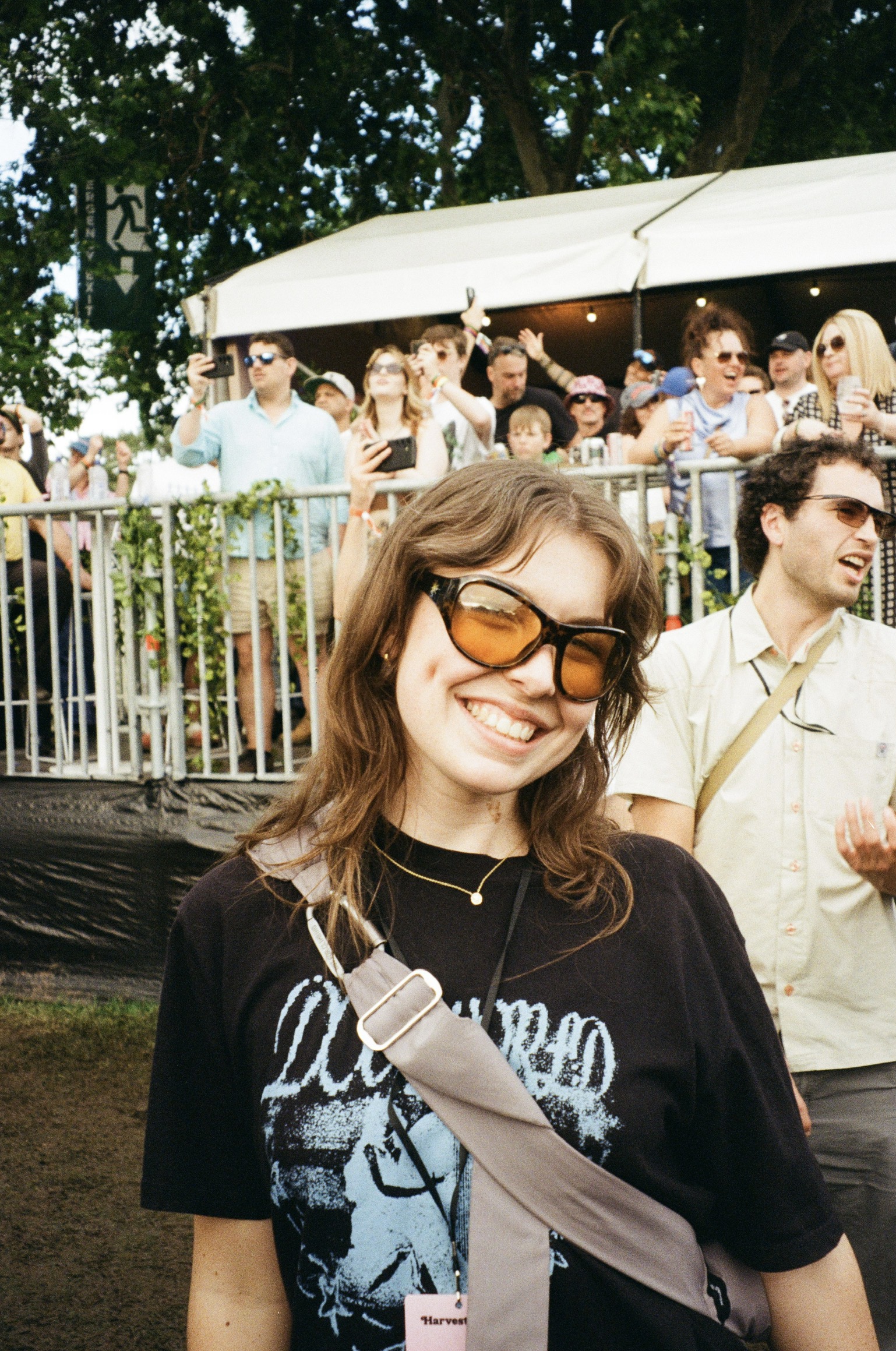
What is some advice you’d give your younger self?
Ask all the questions! I put a lot of pressure on myself when I was starting my career to already know all the answers, and if I didn’t then I would go and try and find it out myself instead of asking those around me. Now that I’ve gained more experience, I really value when people ask me questions and similarly, hearing both the opinions and facts that my peers can provide when I voice queries to learn and also generally broaden my scope of understanding in any given area. There’s no such thing as a silly question and the personal element that comes from the discussion will always be more worthwhile than any alternative method!
What’s the biggest misconception people have about being/working independent?
I’m sure there are a million but I’ll go with the misconception around lack of resources. I believe the passion-fueled, less traditional company set ups in the independent world can create space and necessity to refine exactly what is needed for each campaign and therefore catering specifically and thoughtfully with deeper understanding, as opposed to a broad-scope, box ticking method. This also closely ties into budgets, which overall may be smaller in comparison to campaigns run at major labels, but I believe really incredible things can come from the intentional use of every single dollar and the creative adaptability that’s needed as a result.
What’s the boldest creative risk you’ve taken in your work?
The repeated bold creative risks I’m leaning into come from a confidence in being creative in order to benefit the fan experience, instead of just focussing on maximum reach or sales. For example, Ecca Vandal playing for free in an 80-capacity burger shop in Sydney alongside her dates supporting Deftones, or launching a free Denzel Curry screenprinting activation at Yours & Owls Festival. These had a primary focus on an accessible fan experience with a bigger picture approach for long term benefit, instead of being reflective on instantaneous stats or sales. Every single fan, new or old, would walk away from each of those activations with something tangible, as well as a memory of the experience that will hold strong to run through all future marketing and campaigns built around those artists.