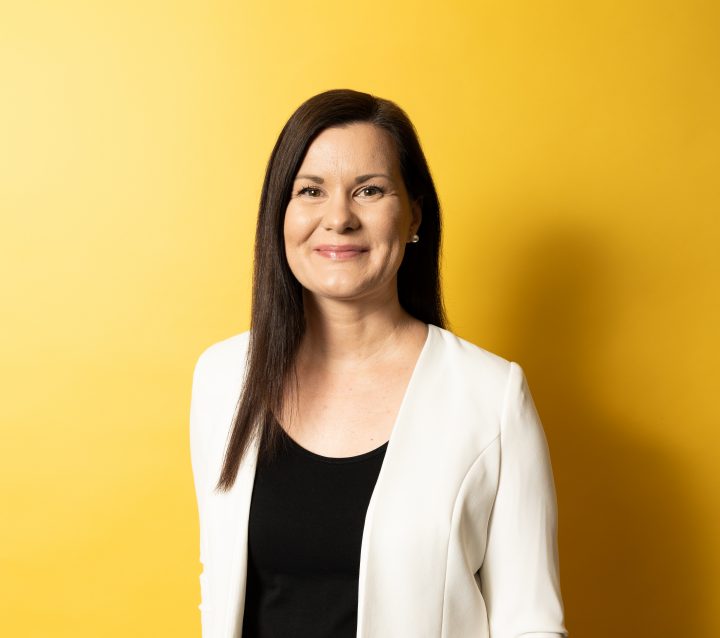
Please tell us your story! How did you get to where you are today?
I didn’t grow up thinking I’d be a lawyer. I’m from a suburban, working-class background where careers like law weren’t really visible, so I never would’ve imagined a career for myself in this profession.
Music was the thing that changed everything. I found a music industry TAFE course while I was teaching singing in my very early 20s, and it opened up a whole new world. I still remember seeing The Waifs for the first time with a very early Missy Higgins support slot. Missy held the room in complete silence – it was a moment. I was hooked.
I threw myself into the industry – projects, gigs, volunteering, and eventually worked on The Blues Train compilation releases, where I got my first real taste of copyright, royalties and licensing. From there I moved into roles at Warner Music Group in Sydney, Universal Music Publishing Group in London, and Mushroom Music Publishing in Melbourne.
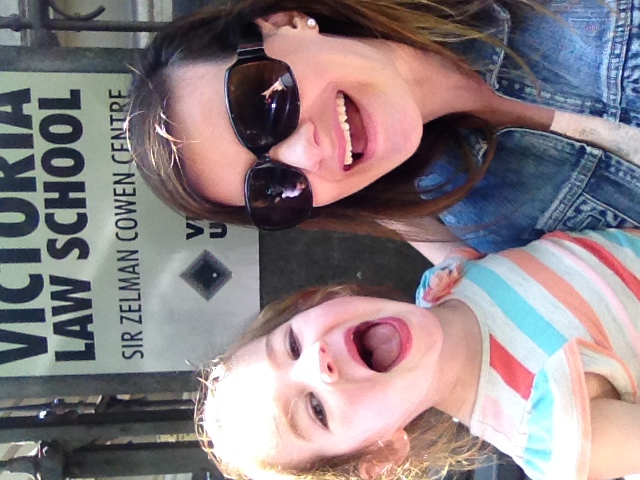
Over time, I realised I wanted to be closer to the deals, the contracts, and the rights. So I went back and studied law part-time while raising my daughter, Willow. It wasn’t a straight path, but it was the right one.
“One thing I’d love to see change is more confidence for artists and creators to ask questions early, and to really understand their rights and payment structures before they commence work or sign anything.”
Tell us about your current role and professional life—what does your day-to-day entail?
I’m a Senior Associate at Sanicki Lawyers, where I advise artists and industry clients across copyright, commercial agreements, and strategic career decisions.
My work includes negotiating recording and publishing deals, resolving disputes, advising on all music copyright matters, and catalogue sales, helping clients understand and protect the value of their rights both locally and internationally.
The part I enjoy most is being part of an artist’s team. It’s not just about reviewing documents, it’s also about helping people make informed decisions and connecting them with the right opportunities.
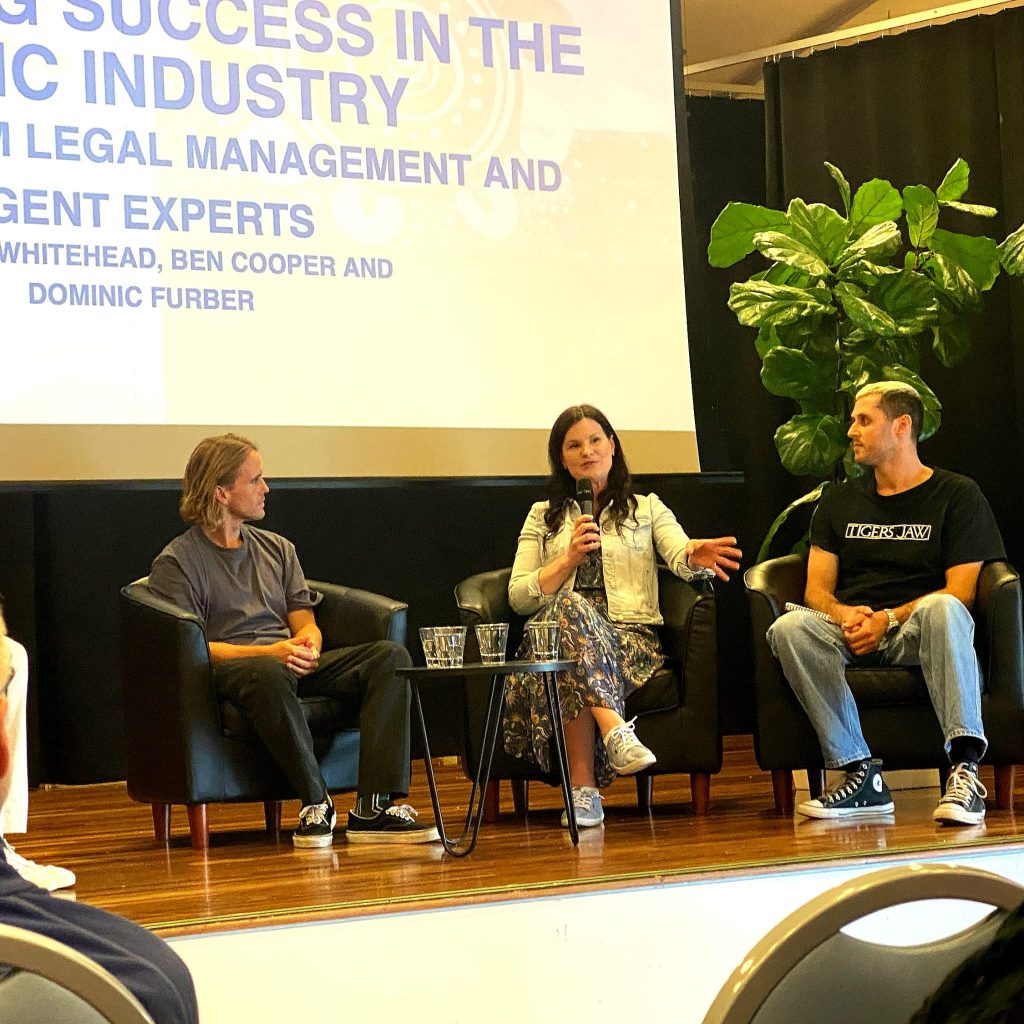
I’m also enjoying mentoring our junior music law team and stepping into my role as a “lawyer-mumma.” I thought that being a lawyer meant you had to be a shark, but turns out you can actually be kind, supportive, understanding and care a lot, and still achieve the best outcomes for your clients.
“I’m from a suburban, working-class background where careers like law weren’t really visible, so I never would’ve imagined a career for myself in this profession.”
If you could change one thing in the music industry right now, what would it be?
One thing I’d love to see change is more confidence for artists and creators to ask questions early, and to really understand their rights and payment structures before they commence work or sign anything.
A lot of the work we do as lawyers is picking up the pieces after the fact or navigating a dispute, when it would be far more efficient and cost-effective if legal input happened at the start of a project. So often, people enter creative deals with the best of intentions and focus on the opportunity first, which is understandable, but don’t always pause to think through the details of what’s actually being agreed. Things like how they’re being paid, what rights they’re granting, and what happens if the project evolves differently than expected.
I always encourage people to have those conversations early, even informally. Speak to a lawyer at the outset if you can, even just for a quick market reality check on what standard terms look like and what to watch out for. It doesn’t need to be overly complicated, but it can really help frame negotiations in a clearer way.
In practice, I still see situations where artists are granting labels perpetual rights to their masters instead of requesting a licence structure, or record producers who haven’t secured appropriate royalty arrangements up front. I also see film projects where screen composers and producers are yet to consider the ownership of music rights after the score has been delivered, or artists simply granting rights for too long, and for too little.
Creative collaboration is what the industry is built on, and that’s the exciting part, but clarity around rights and payment early on makes those collaborations stronger and more sustainable. Having those conversations at the beginning, rather than after paperwork is drafted, can prevent a lot of avoidable issues later.
“I thought that being a lawyer meant you had to be a shark, but turns out you can actually be kind, supportive, understanding and care a lot, and still achieve the best outcomes for your clients.”

“You’re more capable than you think you are.”
Let’s talk about the highs of your career—what is a standout moment?
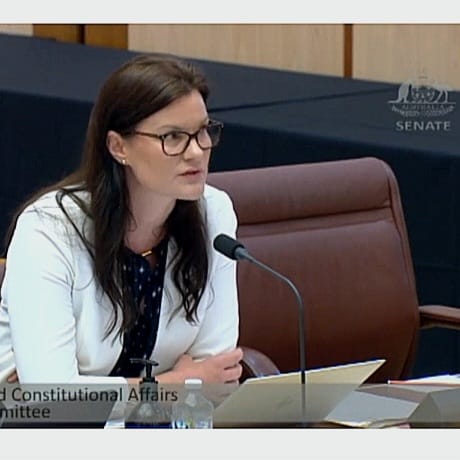
One of the standout moments for me was speaking in Canberra at a Senate Committee Hearing on the 1% radio cap in 2024. Our copyright law includes a limit on the licence fees PPCA can collect from commercial radio on behalf of its artist and label members. It’s really outdated and unfair, and the industry has been lobbying for its removal for decades.
My honours thesis focused on that issue, and being able to contribute to the national conversation in that setting was a real full-circle moment. It was one of those experiences where I realised I wasn’t just learning the industry anymore, I was actively contributing to it.
Who has been your biggest champion in your career?
I’ve been fortunate to have some incredible mentors. I spent four years at Media Arts Lawyers, where David Vodicka and Stephen King mentored me. Working alongside them across a broad range of music law matters gave me a strong foundation and shaped the lawyer I am today.
More recently I connected with Darren Sanicki and Chelsea Donoghue, which led to my move to Sanicki Lawyers. Their support and trust have been a big part of stepping into this next stage of my career.
Why did you want to get into the music industry?
It started with a love of storytelling. Australian artists make music that feels so honest and human, and in the mid 2000s you’d find Paul Kelly, Missy Higgins, Sarah Blasko, Josh Pyke and The Waifs circling the country playing at all the festivals. They are still some of my faves.
Then I discovered the industry behind it, the teams, the infrastructure, the people helping bring music to life. Once I saw that, I wanted to be part of it.
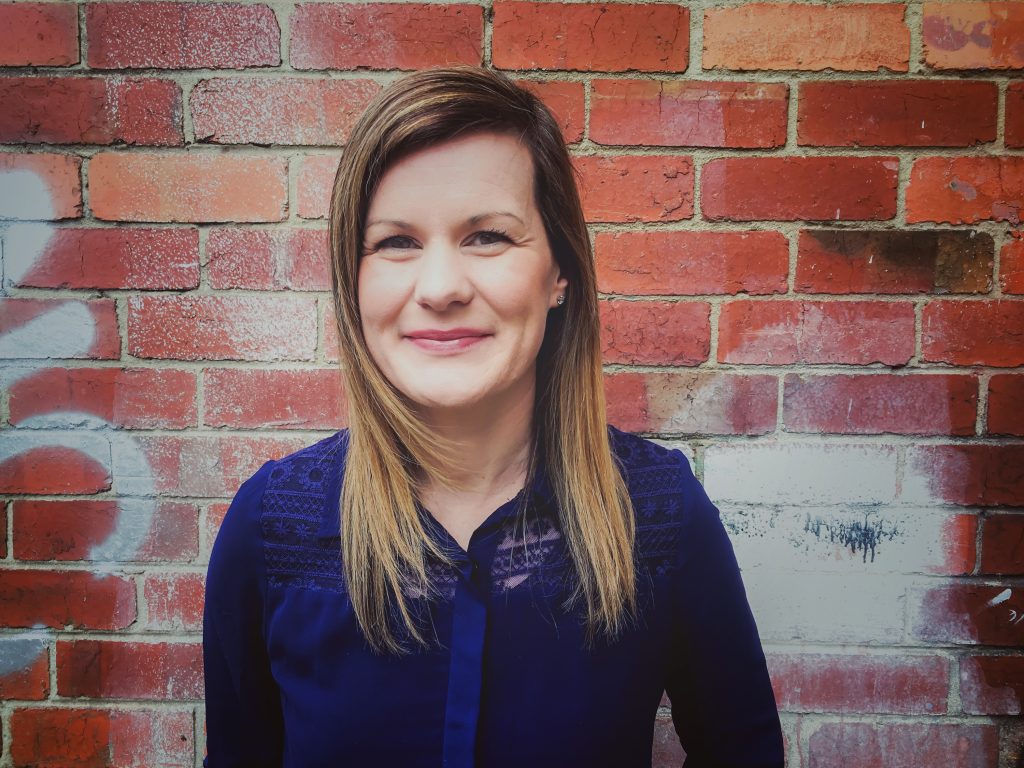
“Studying law as a working mum was the biggest challenge.
I started when Willow was 18 months old and studied part-time so I could keep working and raise her. “
How did you get your start in the industry?
Through study, but really through doing. The course I took was hands-on, we put on gigs, ran projects, and created releases.
Working on The Blues Train compilations was a turning point. I was responsible for licensing tracks and working out how royalties would be paid, which meant understanding publishing and recording rights very quickly. Applying for our first AMCOS mechanical licence and formatting our first royalty statements was next-level satisfying. What most people find tedious, I leaned in and wanted to know everything about collective rights management and how musicians get paid.
That’s where it clicked. I became a bit of a copyright nerd, and that curiosity is what eventually led me to law.
Have you had to overcome any challenges or adversity in your career?
Studying law as a working mum was the biggest one.
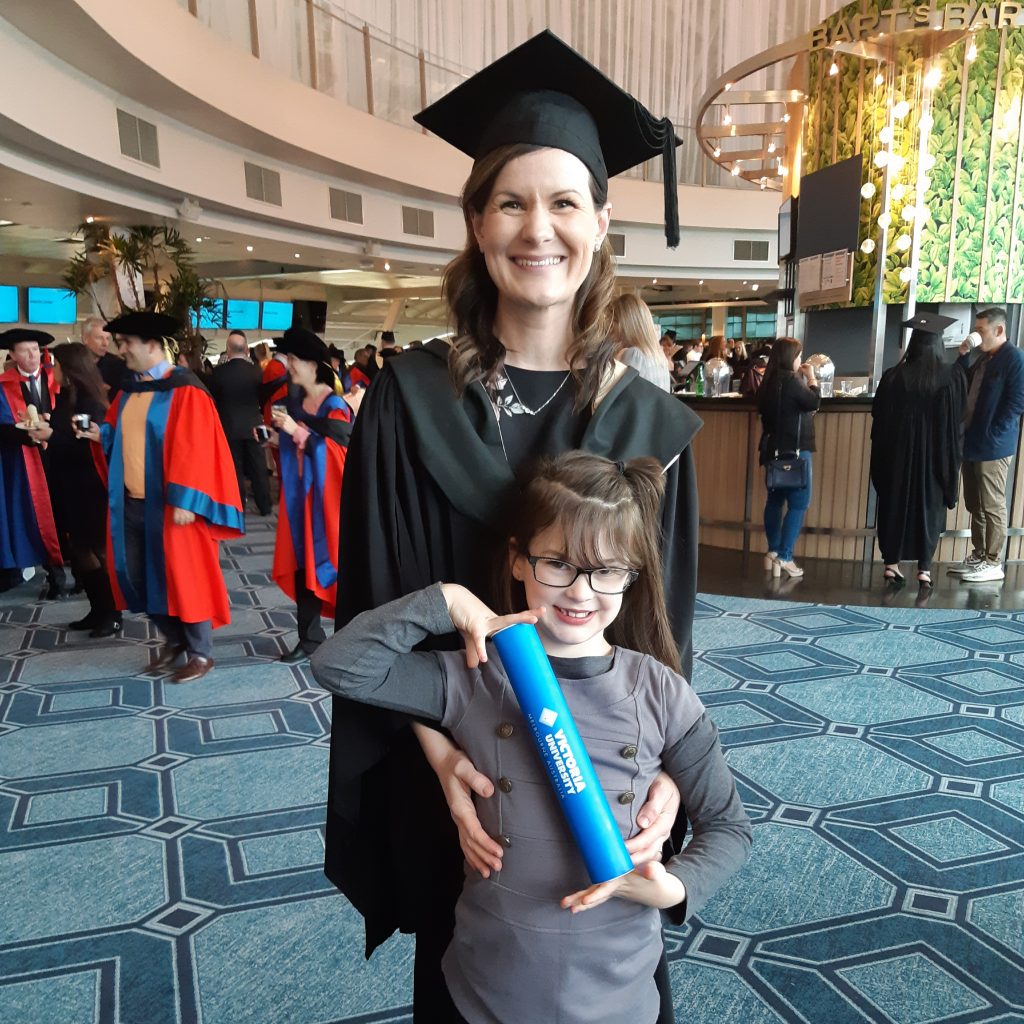
I started when Willow was 18 months old and studied part-time so I could keep working and raise her. I took a part-time role at Mushroom Music Publishing, where the team was lovely and the flexibility was really helpful. A three-year degree took me about seven and a half. It was years of weekends studying, juggling childcare, work, and everything in between.
By the time I graduated, Willow and I had been through a lot, and her dad and I had separated. There’s a photo of us at graduation that I love. I looked proud, and I was, but I was also pretty burnt out underneath it all.
There’s often an expectation that work and family sit in separate lanes, but in my experience that separation is only temporary and geographical. Even at work, you’re still thinking about whether your child made it to netball practice, who picked them up, or whether you can make it home in time. That’s why the shift toward flexibility and work from home post-COVID has been so important, it’s made balancing both worlds more realistic.
Do you feel that higher education is a necessary step to enter the music industry?
Not necessarily. There are many pathways into the industry, and practical experience is incredibly valuable.
For me, law obviously required formal study, but everything before that, including TAFE, projects and volunteering, was just as important. That’s where I built relationships and learned how the industry actually works.
I hold a Bachelor of Arts (Music Industry) and a Bachelor of Laws (Hons), and both have been instrumental in the career path I’ve chosen.
There’s no single path, but showing up, staying curious, and backing yourself goes a long way.
What would you tell your younger self if you could tell them anything?
You’re more capable than you think you are.
I spent a long time questioning whether I was suited to this path, but once I committed to it and kept showing up, things started to fall into place.
I’d also say, particularly as a parent, you don’t have to do everything at once. It’s okay to take your time and build something sustainable.
What is your big picture career goal?
Right now, it’s about continuing to grow into this next stage of my career and really enjoying it.
For a long time, I was working toward something, finishing the degree, getting the job, levelling up and proving to myself that I belonged. Now I feel like I’m here.
I want to keep building strong relationships, support my clients in meaningful ways, and contribute to the industry in a way that feels genuine to who I am.
“There’s no single path, but showing up, staying curious, and backing yourself goes a long way.”
What is your go-to Karaoke song?
Sweet Child o’ Mine by Guns N’ Roses. Always.