Please tell us your story! How did you get to where you are today?
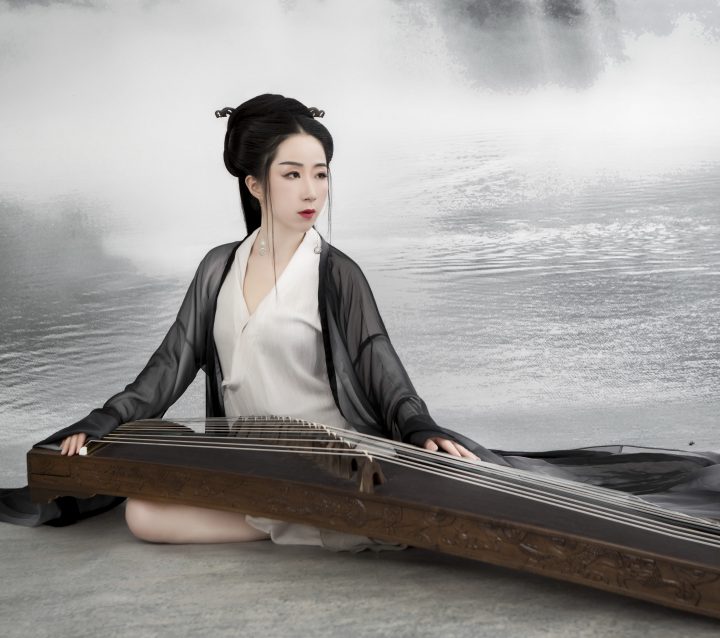
I was born in Lanzhou, an industrial city in northwest China, and started learning the Guzheng when I was six years old. Music became a huge part of my life from an early age, but I never imagined it would take me around the world.
When I was 16, I went to the UK on what was supposed to be a short exchange program. Instead, I fell in love with the experience and decided to stay for university. It was there that I received my Western music training and was introduced to a completely new musical world.
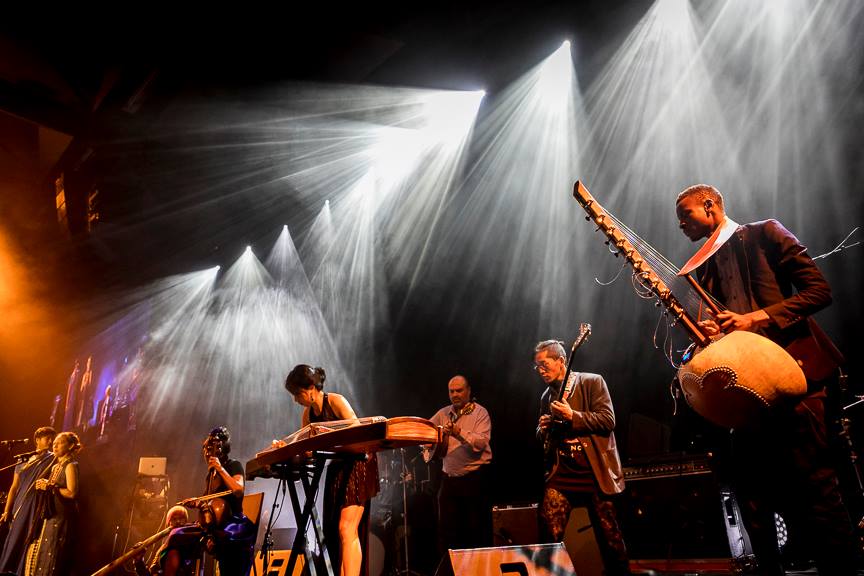
To be honest, by that point I was starting to feel a little confined by playing traditional repertoire alone. I became fascinated by the idea of taking the Guzheng beyond its traditional context and exploring what it could do in other musical languages. During my university years, I began experimenting with bringing the instrument into jazz, electronic music, pop, classical music, and more experimental settings.
For the past two decades, that has been the focus of my career: pushing the boundaries of what the Guzheng can be and where it can belong. As one of the first artists to take this approach internationally, I’ve been fortunate to help create new pathways for the instrument and earn recognition for this work around the world.
“If I could change one thing, I would make sure every child has meaningful access to music from an early age. I think that would transform not only our industry, but our society as well.”
If you could change one thing in the music industry right now, what would it be?
If I could change one thing in the music industry right now, it would actually be music education.
Last year, I had the opportunity to sit on the Victorian Minister’s Arts Advisory Board, and we spent a lot of time discussing the challenges facing our industry. The more I thought about it, the more I realised that many of these challenges start much earlier than the industry itself.
I truly believe that the way people value music is shaped when they’re young. If music is treated as something optional or unimportant in education, then it’s easy for people to see it as a luxury later in life. But music is so much more than entertainment. It’s a language. It’s a way of expressing emotions, connecting with others, preserving culture, and even healing.
For me, the real change happens in the classroom. If children grow up making music, listening deeply, and understanding its value, they carry that relationship with them for the rest of their lives. They don’t just become musicians—they become people who see music as an essential part of being human.
So if I could change one thing, I would make sure every child has meaningful access to music from an early age. I think that would transform not only our industry, but our society as well.
Do you feel that higher education is a necessary step to enter the music industry?
No, I don’t think higher education is a necessary step to enter the music industry.
There are many successful musicians who never went to university, and there are many university graduates who choose completely different career paths. I don’t think a degree determines whether someone can have a meaningful career in music.
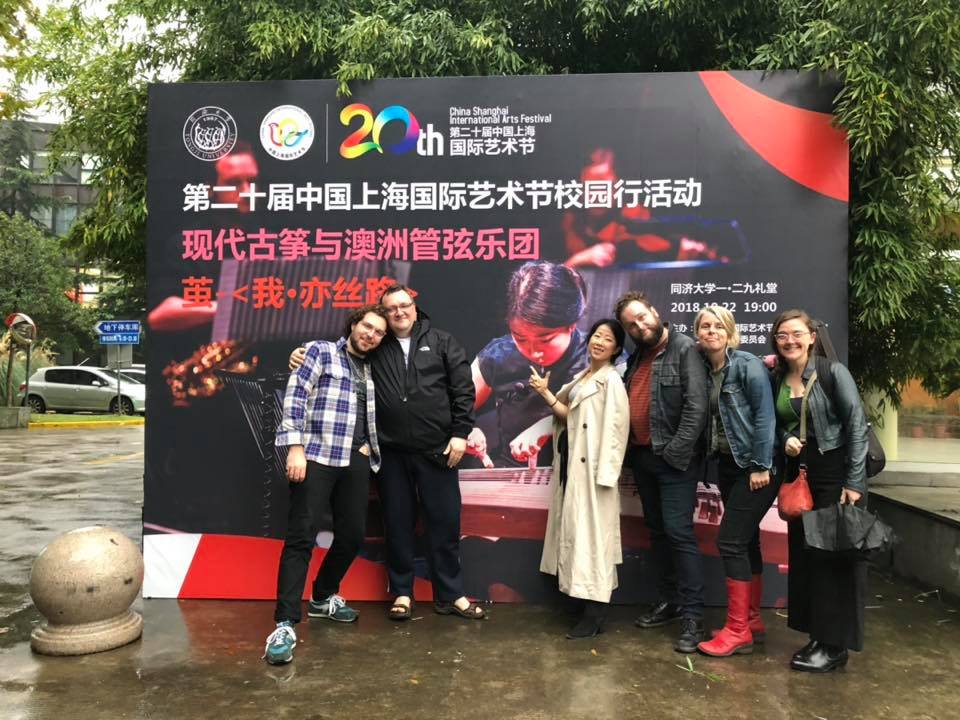
That said, I do think higher education can be incredibly valuable. For me, one of the biggest benefits wasn’t actually what I learned in the classroom—it was the people I met. University gave me the chance to build friendships and networks with other musicians, collaborate with people from different backgrounds, and learn how to communicate and work within a creative community.
It also taught me how to learn. A good music education gives you tools, discipline, and a structured environment to develop your skills. Being surrounded by people with different tastes, experiences, and perspectives can really challenge your thinking and expand your musical world.
So no, I don’t think it’s essential. But for many people, it can be a fantastic environment to grow—not only as a musician, but as a person.
“Sometimes growth doesn’t come from becoming a better musician—it comes from becoming a braver person.”
Let’s talk about the highs vs the lows of your career. What is your greatest achievement? And are there any moments you would like to share that you learnt greatly from?
It’s actually very difficult for me to choose a single greatest achievement because I don’t really see my career that way. Every concert, composition, collaboration, and award is connected. Each opportunity led to the next one, so I see my achievements as a journey rather than one defining moment.
If I had to point to something I’m proud of, it’s that I’ve been able to build an international career around the Guzheng while constantly pushing the instrument into new musical spaces. When I started doing that, there wasn’t really a roadmap. I had to create my own path, and I’m proud that the work has resonated with audiences around the world.
As for the low points, moving to Australia was probably one of the most challenging periods of my life. When I arrived, nobody knew who I was or understood my artistic practice. I had to start from zero. It was difficult to get people to listen, difficult to get opportunities, and even more difficult to convince people to take a chance on something unfamiliar.
There were moments when I seriously questioned whether I should continue in music at all. I even considered changing careers. Looking back, though, I’m very grateful that I didn’t give up.
What I learned from that experience is that talent alone isn’t enough. You also need persistence, courage, and belief in what you’re doing. I’m naturally quite shy, so one of the biggest challenges was learning to step forward, introduce myself, and put my work in front of people I admired and wanted to collaborate with.
In the end, that difficult period taught me one of the most important lessons of my career: sometimes growth doesn’t come from becoming a better musician—it comes from becoming a braver person.
“When we let go of the need for a specific outcome, we become surprisingly powerful.”
What is the best piece of life advice you’ve ever received?
I think the best advice changes throughout different stages of life. What speaks to you at one moment may not be what you need a few years later.
Right now, the advice that resonates with me most is a Chinese phrase: 不期之力, which roughly translates to “the power of no expectation.”
We often carry so many expectations—of our careers, our families, our relationships, and even of ourselves. While expectations can motivate us, they can also become a source of stress, disappointment, and suffering when life doesn’t unfold the way we imagined.
What I’ve learned is that when we let go of the need for a specific outcome, we become surprisingly powerful. We can focus on the work itself, enjoy the process, and respond more openly to whatever opportunities or challenges come our way.
For me, “the power of no expectation” doesn’t mean giving up ambition. It means doing your best, staying true to your values, and accepting that not everything is within your control.
When I remind myself of that, I feel calmer, more present, and much clearer about what truly matters in life.
What is your big picture career goal?
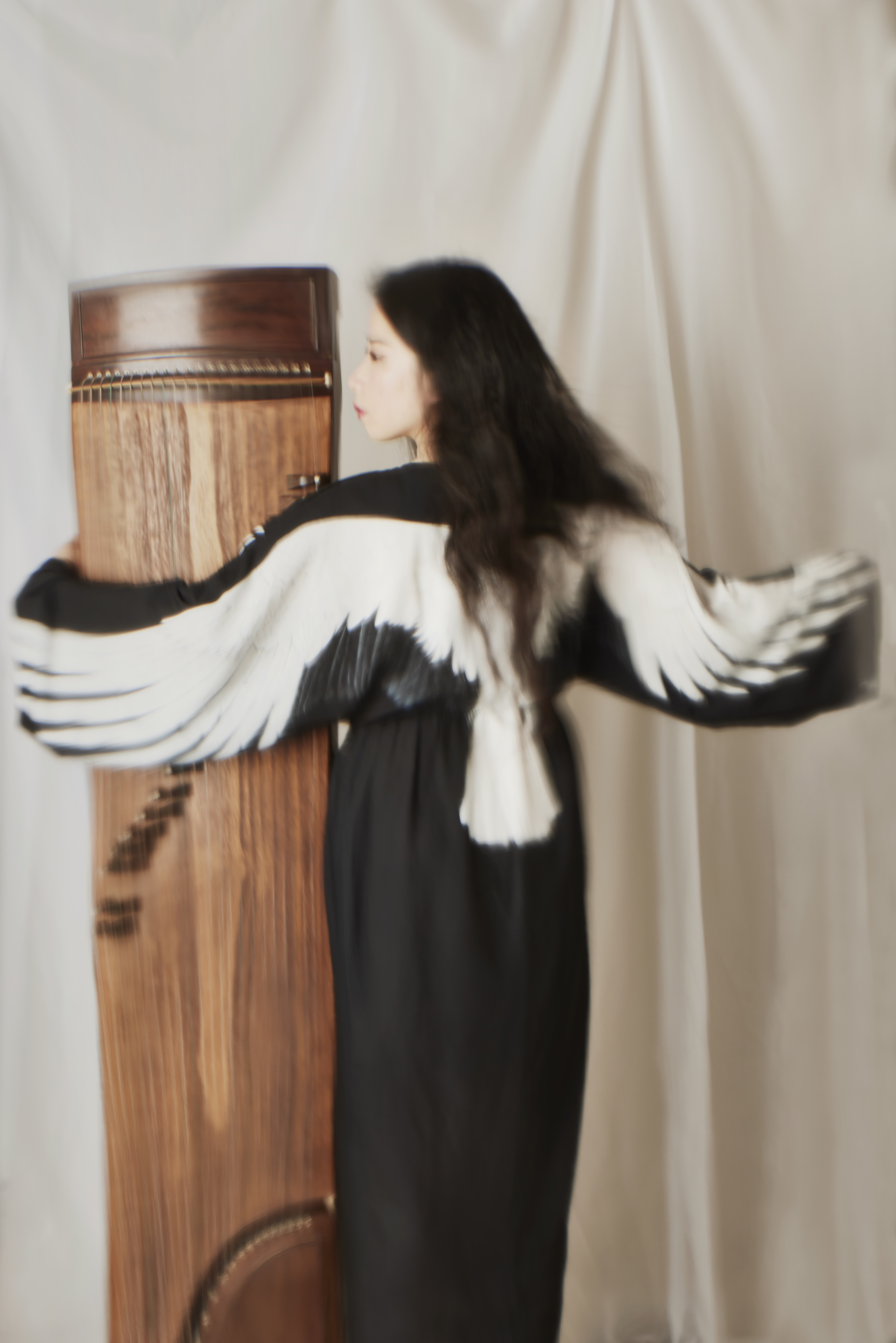
Having achieved significant success as an individual artist, my focus has shifted toward serving the broader community and helping others grow. I am passionate about connecting people and organisations across Australia and China, fostering cultural exchange, and supporting the development of meaningful exchange programs.
My goal is to use my experience and network to create opportunities for musicians by opening doors, encouraging collaboration, and expanding access to valuable resources and connections.
Looking ahead, I am committed to supporting the next generation, particularly artists from marginalised cultural backgrounds and young female artists. I believe mentorship, representation, and access to opportunities can have a profound impact on people’s lives and careers.
Ultimately, I hope to contribute to a more inclusive, connected, and supportive society. If I can empower young artists to find their voice, pursue their ambitions, and create meaningful change through their work, I will feel I have made a lasting contribution.
“I am committed to supporting the next generation, particularly artists from marginalised cultural backgrounds and young female artists.”
How do you unwind when you’re stressed?
The first thing I do when I’m stressed is give myself permission to slow down and take a little time off.
One of my favourite things to do is wander around Queen Victoria Market and buy beautiful ingredients for my family. There’s something very grounding about being surrounded by fresh food, talking to local vendors, and deciding what I’m going to cook.
I also love swimming. A swim followed by some time in the steam room is one of the quickest ways for me to reset. And if I really want to treat myself, I’ll book an hour-long massage and completely switch off.
But honestly, the thing that relaxes me the most is cooking for other people. I love inviting friends over, making a big dinner, and gathering everyone around a table. Watching people enjoy a meal, hearing conversations flow, and seeing happy faces at the end of the night makes me incredibly happy.
Music is a huge part of my life, but when I need to unwind, it’s often the simple things—good food, good company, and taking care of the people I love—that help me feel balanced again.
How do you manage work/life balance?
Not very well, if I’m being completely honest.
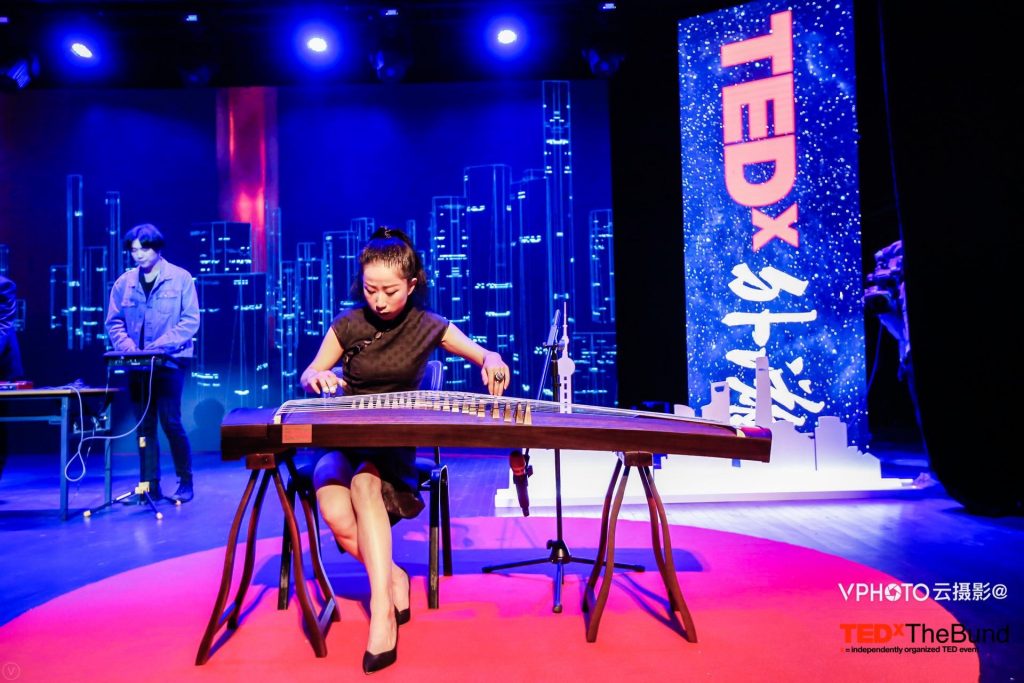
I think a lot of self-employed musicians feel the same way. We love what we do, but we’re also aware that maintaining a full-time career in music requires a huge amount of work. When your passion and your profession are the same thing, it can be very difficult to switch off.
For many years, I felt like I always needed to be working—planning the next project, writing the next grant, preparing for the next performance. There was always something more I could be doing.
Lately, though, I’ve been reflecting on that quite a lot. I’ve realised that working harder isn’t always the answer. Sometimes working more efficiently creates more space for the things that matter.
I’m making a conscious effort to spend more time with my family, to look after myself, and to enjoy the other beautiful parts of life that exist outside of my career. One of the biggest lessons I’ve learned is that rest is not something you earn after you’ve finished everything—because as an artist, you’re never really finished.
So these days, I keep reminding myself not to feel guilty about taking time off, going on holiday, or simply being present with the people I love. Ironically, when I do that, I often come back to my work feeling more creative and inspired.
“Rest is not something you earn after you’ve finished everything—because as an artist, you’re never really finished.”
Any tips for a quick ‘pick me up’ if you’re having a bad day?
When I’m having a bad day, the first person I want to talk to is my husband. He has an incredible ability to make me feel that everything is going to be okay, even when things seem overwhelming. Sometimes just having someone listen and remind you of what’s important can completely change your perspective.
The other thing I do is spend time with my daughter. I’ll often ask her for a cuddle, and honestly, it’s the best and fastest medicine in the world. Children have a wonderful way of bringing you back to the present moment.
Whenever I’m feeling stressed or discouraged, being with my family reminds me that there are things in life that matter far more than any challenge I’m facing at work.
So my quick pick-me-up is actually very simple: a conversation with my husband and a cuddle from my daughter. It’s hard to stay in a bad mood after that.
What does the rest of the year hold for you? Anything exciting you can tell us about?
I’m actually really looking forward to the next few months because, for the first time in a while, I’ve intentionally scheduled some downtime at the end of July.
I’m not always very good at slowing down—I tend to keep moving from one project straight into the next. But I’ve realised how important it is to take time to recharge, reflect, and think carefully about what comes next. So I’m giving myself a couple of weeks to do exactly that.
After that, I’ll be heading to China in August to represent the City of Melbourne at an international festival, which is something I’m very excited about.
Creatively, I have some wonderful projects on the horizon. I’ll be working on a contemporary opera, a large-scale participatory work commissioned by a festival, and a new composition for Canberra symphony orchestra, alongside a number of other exciting collaborations.
What excites me most isn’t any one project—it’s the feeling that I’m entering a new chapter. I’m continuing to create, perform, and compose, but I’m also increasingly interested in how I can connect people, support younger artists, and contribute to the broader cultural community.
What is your go-to Karaoke song?
This might be a surprising answer coming from a musician, but I honestly can’t remember the last time I went to karaoke in Australia. It has probably been at least five years!
That said, whenever I visit China, karaoke suddenly becomes a very important social activity. It’s one of my favourite ways to catch up with friends because everyone ends up singing, laughing, and staying out far later than they planned.
My go-to songs are usually Chinese pop classics from the 1990s. Those are the songs I grew up with, so I know all the words, and they instantly bring back memories. The moment one of those songs starts playing, everyone joins in.
I spend so much of my professional life performing contemporary and experimental music that, when it comes to karaoke, I just want something familiar, nostalgic, and fun. No artistic pressure—just good friends singing loudly together.