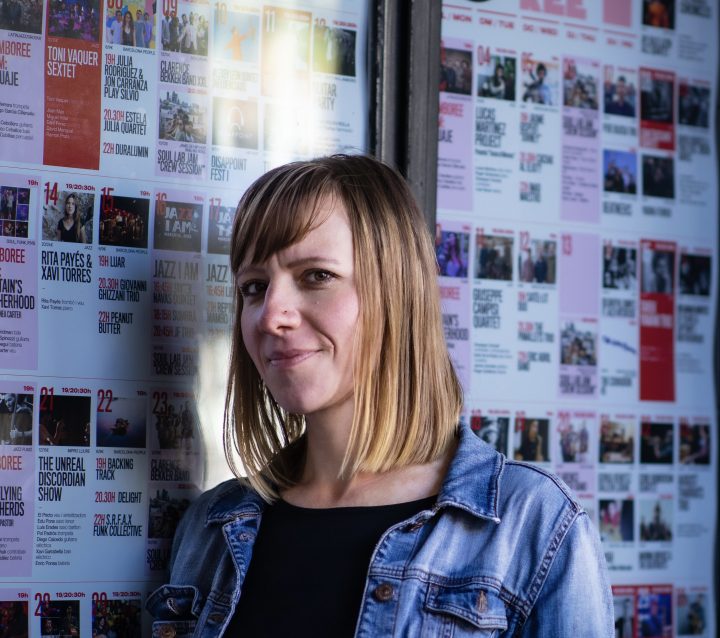
Please tell us your story! How did you get to where you are today?
I reckon my story is quite common. I suffered from a massive burnout in my last corporate job and needed to reevaluate my (professional) life. So I took a leave of absence and travelled as far away from Europe, where I’m from, as possible. Initially, it was just supposed to be for six months. Spoiler alert: I never went back to that corporate role. I got involved in the Melbourne music scene fairly quickly when I arrived. (A shout-out to Richard Andrew for the first gig as a runner in a music video shoot at the legendary Bakehouse Studios in North Melbourne. What a way to be introduced to the local music community!) Funnily, though, I set up the music curation brand to channel my creative energy into a project I was doing for a social media marketing course at the time. And it developed from there. The Silly McWiggles blog came first and is still my headquarters. But I love chatting with people and listening to their stories. So doing a podcast just felt like a natural extension of the blog.
Why did you want to get into the music industry?
I’m a music fan, first and foremost. It might sound like a cliché, but music has always been there for me in various life-changing situations. I can sing and was even briefly in a band in high school (who wasn’t, right?!). I can also read some musical notes, and I used to play the recorder (a type of wooden flute). But I wouldn’t call myself musically gifted. I just naturally gravitate to music in other ways, regardless of what I do in life. So I looked for other ways to be close to it. But I don’t think it was a deliberate choice to get into the industry. It just happened. And boy, has it been a wild ride so far!
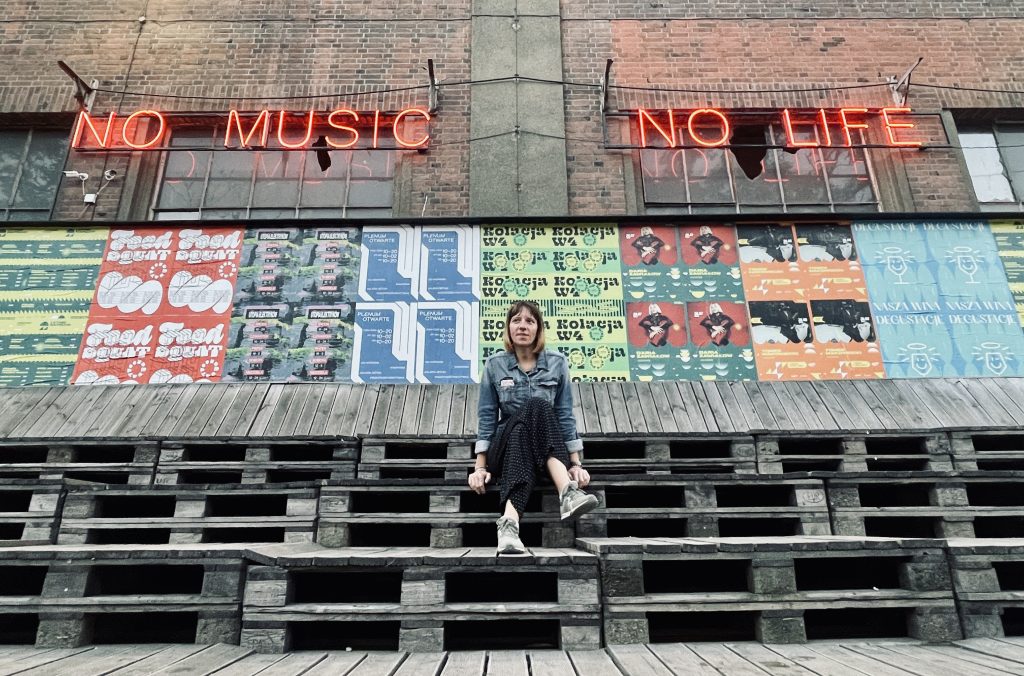
Do you feel that higher education is a necessary step to enter the music industry?
Not really. I completed a music journalism course, for instance, but more out of interest than as a conscious step towards a career I envisioned for myself in the future. It did give me a basic understanding of the industry, though, so it can never hurt. Still, I know very few people in the music business with formal education in it. I feel like this industry has no blueprint or clear-cut rules, which can be a good and a bad thing. It’s very much about figuring it out yourself and making the best out of the opportunities presented to you. (Okay, and maybe a bit of luck, tenacity, knowing the right people and preparation as well).
“An industry insider once said to me: “This business will make you feel like you’re on top of the world one day and the biggest loser the following day.” And it’s true AF!”
Let’s talk about the highs vs the lows of your career. What is your greatest achievement?
An industry insider once said to me: “This business will make you feel like you’re on top of the world one day and the biggest loser the following day.” And it’s true AF! My highs still outweigh the lows, though. I get a kick out of seeing how the artists I collaborate with when they take their first steps in the business are spreading their wings. I’m just so proud to be a part of their journey! On the other hand, I get frustrated when I can’t get through to people I really want to collaborate with or when the communication goes dead close to finalising the details. Most of the time, the lack of response has nothing to do with me, but I tend to beat myself about it, thinking I could’ve/should’ve done more. So that’s the equivalent of a low for me. My greatest achievement is building my channels from scratch independently and doing it all my way. I’m self-taught, so I had zero idea of how to produce a podcast when I started. It’s still just “me, myself and I” doing everything from A to Z, and I still have much to learn about all the tech aspects of it. But if 5 years ago anyone had told me I’d be interviewing Funny Lumsden, an ARIA-winning country artist, for example, I would’ve laughed to tears.
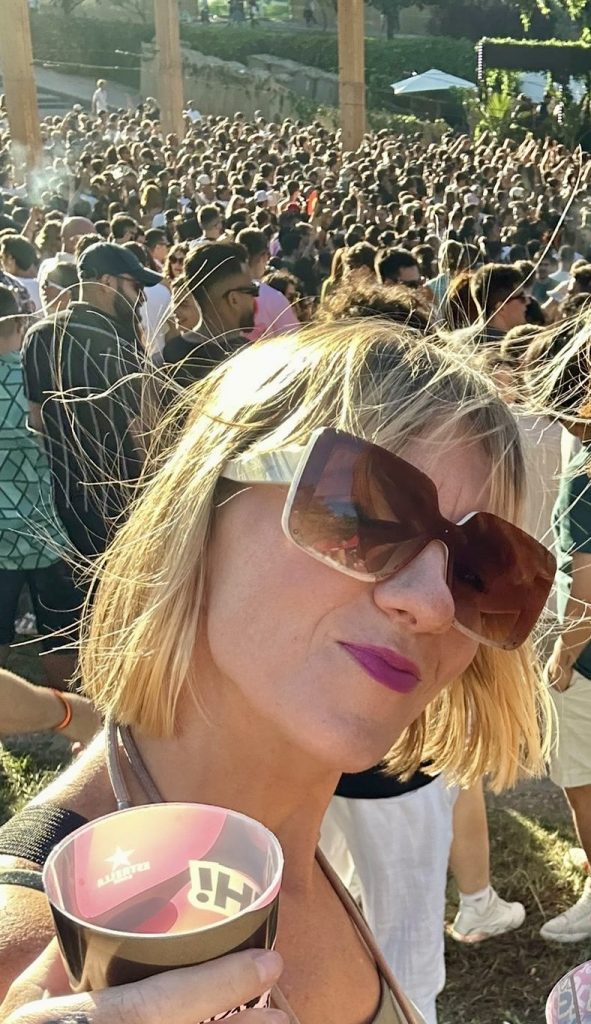
Tell us about your podcast…
It’s called Silly Talks Music. And it’s a spin-off of my Silly McWiggles blog. I transcribed a few interviews there before moving to the audio format. I’m a huge fan of podcasts privately and am always keen to try new things. So I treated it like a professional challenge in the pandemic. I still can’t believe I’ve published around 50 episodes since! Initially, my idea was to interview only artists from Australia, but I’ve changed my mind since. I now also invite people working in the music industry in other capacities, like managers, entrepreneurs, and activists. And even though Australia remains my focus, some of my guests are from overseas, too.
“My greatest achievement is building my channels from scratch independently and doing it all my way. I’m self-taught, so I had zero idea of how to produce a podcast when I started. It’s still just “me, myself and I” doing everything from A to Z, and I still have much to learn about all the tech aspects of it.”
Who have you interviewed in the past?
I try to mix things up on the show. So my guests come from different backgrounds and paths in the music business, like:
- Pixie Weyand from the Feed Music platform who used to run the famous Brissie venue The Zoo,
- Larry Heath from Sounds Australia who’s behind The AU Review and the National Live Music Awards, too,
- cello player Anita Quayle who approaches classical music in a contemporary way,
- Pilani Bubu, a folk artist from South Africa who weaves spirituality into her craft,
- sound engineer Dan Nash who has worked with Thelma Plum… and many more.
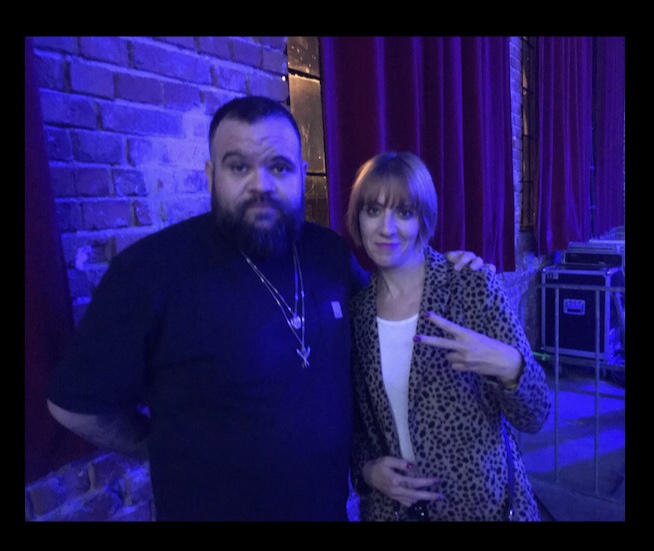
What are some of the topics that you address in your podcast?
I usually approach my guests with a particular topic they’re experts on or have something to say about. And I tend to choose causes close to my heart that I find relevant to the business. For example, with Sally Coleman – the ex-triple j presenter who was formerly in the rap duo Coda Conduct – I talked about tech in music because she’s started a virtual band called Big Sand. Dino Lupelli from Music Innovation Hub in Italy gave me a comprehensive lesson on sustainability in the live music sector. I chatted to Ash King from Support Act about mental health in the music business. And my interview with a Geelong-based muso Bella Deer was focused on the struggles of independent musos, or “The Tortured Artist’s Department”, to paraphrase Taylor Swift’s last album title.
Where do you live & what’s the music scene like there?
I’m currently based in Madrid, and I’ve recently started paying more attention to the Spanish scene, especially since I speak the language. And honestly – it’s such a vibe. I guess it has everything to do with the fact that the attitude in this part of the world is to enjoy and celebrate life. Spanish artists are truly rooting for one another, it’s an amazing creative community. I also think it’s genius how Spanish musicians combine their flamenco roots with the modern pop/R&B/hip-hop approach nowadays. Check out Pablo López or Lola Índigo, for example.
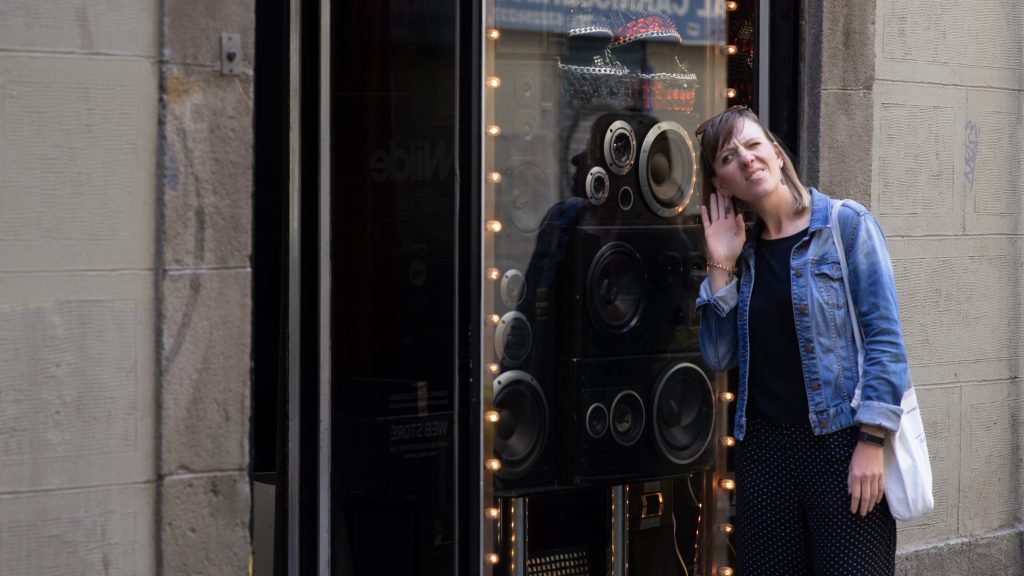
“I’m currently based in Madrid, and I’ve recently started paying more attention to the Spanish scene, especially since I speak the language. And honestly – it’s such a vibe.”
Is there anything that you love where you’re based that the Australian Music Industry could benefit from if utilised?
I reckon the Old Continent as a whole listens to a more diverse playlist. Europe is still big on the heavier music scene, for example. You might not know this, but many metal Aussie acts come to Europe because their fanbase is much more solid here than on their home turf. So, in my humble view, the Australian music industry would greatly benefit from embracing local acts repping the non-mainstream genres.
Who has been your biggest champion in your career?
My family and friends, without a doubt. They might sometimes think it’s not a serious profession, but they’re happy for me, that’s for sure. I’d also like to shout out some people from the industry because it’s a tricky one, to say the least, and their support has meant the world to me.
Marcus Erridge from the Cultural Popcorn radio show in the States invited me to co-host the segment after listening to my podcast. And for over a year, once a month, I had free rein to curate a 2-hour playlist (another dream come true, and I plugged heaps of Aussie artists). Sadly, I had to step down from that role for now (too much on my plate).
I met Thomas, Mitch and Cal from a Melbourne-based art-rock band Peak Park virtually in the pandemic. I feel like we’ve been learning about the business together and cheering each other on since I interviewed them remotely for the first time. They always say “We need you more than you need us”, which is flattering, but I reckon in this line of work collaborations mean growth for all parties involved.
When I first spoke to Chryss Carr from AUM, it would have never occurred to me we’d build the rapport we have today. She’s been an invaluable Australian industry guide, and very generous with her time. Thanks to her, I got to know heaps of amazing First Nations artists that, otherwise, I wouldn’t even know existed. She’s helped me open quite a few doors and taught me that, in this business, it’s crucial to know “who’s who in the zoo.”
What is the best piece of life advice you’ve ever received?
Listen to your body and trust your intuition. If something doesn’t feel right, give it a rest for a while or walk away from it completely, even if you were close to making your dreams come true. You can rationalise many things, but if you have doubts about something, chances are it won’t end up as a good, fulfilling experience. Especially in the music business.
“Listen to your body and trust your intuition. If something doesn’t feel right, give it a rest for a while or walk away from it completely, even if you were close to making your dreams come true.”
What would you tell your younger self if you could tell them anything?
I’d beg the younger me not to wait so many years to start this gig. Building a reliable brand and reputation in any sector takes a while, especially if you’re doing it all on your own. I realise now that procrastination and overanalysing it (and a dash of fear of the unknown) just stood in my way for too long, completely unnecessarily.
What is your big-picture career goal?
When I lived in Australia, I realised how many awesome musicians you have whose chances of making a living out of their craft or having their names known outside of the country are quite slim. So, my big-picture career goal is to be recognised as the blogger from overseas championing lesser-known artists from the land Down Under. As simple as that.
Who are your role models in the industry be they local or international?
Hats off to Chryss Carr again. Aside from her continuous support as a collaborator I’ve described above, I admire the way she runs her management and PR business and how she fights for her artists. Another woman I look up to in this industry is Nosowska. She’s one of the most recognisable and relevant artists in Poland (my home country) who has embraced many different genres throughout the 30+ years in the business. Her slightly self-deprecating but humorous and very earnest approach to life has heaps to do with it.
Who are your top 3 ‘artists to watch’?
This question is every music blogger’s nightmare 🙂 If your job is to listen to new music every day, it’s really hard to narrow it down. But I’ll try.
Coterie – they’re Kiwi brothers, based in Perth, who rep a rad Pacific reggae sound and whose shows feel like constant summer. I vouch for them because I saw them live.
Ecca Vandal – she’s a Melbourne-based artist who fuses hip-hop, electronic music, punk and alt-metal. I saw her open for Incubus in Brissie a few years ago, and she was incredible. She’s been quiet for a while but it looks like she’s currently cooking up something new (sooooo keen to find out what it is!).
Miss Kaninna – she’s an up-and-coming First Nations singer and rapper. I dig her unapologetic, playful attitude and the lyrical mastery of her songs.
Do you think the Australian Music Industry is where it needs to be in regarding diversity? If yes or no, what would you like to see?
Short answer: No. Long answer: Even the fact that we’re discussing it here as a separate point is a testament to the lack of diversity. And it’s not only Australia’s problem. It’s the music industry’s problem, overall. But I also think it’s changing for the better, albeit quite slowly. I don’t have a ready-made solution for accelerating that change. What I can do on my channels, for instance, is proactively look for and highlight a diverse group of artists and hope that other curators and publications do the same.
What does true allyship look like to you?
Great question! I often struggle with it, thinking that I don’t do enough in this aspect because I’m aware that I come from a privileged background, on many levels. I think the best way to be an ally, in this case, is to educate yourself, listen and – if you’re in the position to – make your channels available to those who might not have the opportunity or a platform to voice their needs, showcase their art or express their point of view. This is what I strive to do on my channels.
Are there any important matters that need to be discussed at the forefront within the music industry?
So many! But the one that’s particularly alarming for me at the moment is this one: How could we forget that artists are the sole reason this business even exists? And how is it possible that they are frequently excluded from crucial discussions and projects that impact them?
Do you feel the industry is gatekept?
I’m torn thinking about it, to be honest, because it’s inevitable in a way. After all, this is a music business, and a significant portion of it is still run according to the traditional model. There are institutions and people who profit from it, so, naturally, they have a say in what’s hot, what type of music/message/artist they want to promote, etc. It doesn’t look like the industry is going to completely reinvent itself anytime soon. On the other hand, the tech advancements and social media platforms make it easier for artists to make music and for audiences to consume it these days. So the creators are, thankfully, taking back control of their art. Fingers crossed we’ll see the industry democratised even more really soon.
What changes do you think need to be made when it comes to accessibility?
I’m glad you asked because that’s one of the topics I covered on the podcast with Morwenna Collett – an accessibility, diversity and inclusion consultant from Sydney with lived experience as an artist with a disability. She did a comprehensive study on that topic comparing the UK, the US and Australia. My biggest takeaway from that conversation was that you can’t be what you can’t see. There’s a stereotype in the music business of what a successful artist should look like, for example. So we definitely need to include and champion more musicians with disability in mainstream media and major events.
It will also allow them to guide the industry directly on the improvements that need to be made regarding accessibility instead of random people making uninformed decisions just to tick the accessibility boxes. I’m also currently looking into smart ways of making my channels more accessible. It’s still very much a work in progress, but I’m hoping to make it a permanent part of my publishing process soon.
What does a safe space look like to you?
Thanks for asking because that’s an important part for me. Silly Talks Music is a collaborative project, not an authoritative one.
For every episode of the podcast, for instance, my guests have a say in what the audience will hear. I prepare the first edit after the actual interview. But if they’re not happy with it, have reconsidered their choice of words or feel like they’ve overshared, they’re welcome to suggest a modification. Sometimes, they might even want me to remove a part I consider the backbone of the chat, but I still respect their opinion. We work on the final version until they give me their green light to publish. Very frequently, all it takes is one email exchange. On other occasions, it might even take a few weeks.
My point is it’s my mission to make my guests feel comfortable that the podcast episodes represent them, personally and artistically speaking, and I’m just lending them my channel to express themselves. And I know this is not necessarily a universal approach in my line of work, also because I’ve been on the other side, as a creative whose words were taken out of context.
That’s what a safe space is for me in this case.
As a podcaster what is important for you to see at your shows when it comes to audience engagement, what message would you love for them to take away?
Aside from the informative and entertaining aspect of the podcast, I treat the conversations as educational and discovery content, especially for emerging artists who might be listening in. I also hope the chats will be intriguing enough for the audience to check out my guests’ music or platforms. This is one of the ways I can return the favour and support what my interviewees do. Lastly, I’d like the audience to feel like they’re listening to a down-to-earth conversation in a living room with approachable music industry people rather than a serious interview about complex topics at a formal industry conference.
What advice do you have for folk who are coming up in the industry, particularly in your line of work?
I once heard a quote “Your vibe attracts your tribe” in an interview (I think it might have been Amy Shark who said it). And that’s my advice to people coming up in the industry.
Don’t desperately try to imitate someone else who is successful. By all means, learn from more experienced people and gather ideas from different shows/publications. But make sure you and your personality are reflected on your channels/platforms.
No matter how long it takes, you’ll find your niche and your crowd eventually.
What was it like growing up & experiencing the industry outside looking in? Now that you’re in it, what has your experience been like?
Growing up, I remember thinking the music business was a hostile and unapproachable world. I never pictured myself being a part of it. Let alone talking to all the people working in it that seemed like untouchable gods to me back then.
Today, my experience tells me this is primarily a people’s business. It’s all about cultivating your industry relationships and networking. Truth be told, I still feel intimidated talking to the higher echelons sometimes, and I occasionally get star-struck approaching my favourite artists. But at the end of the day, we’re all human beings trying to do something cool and meaningful together through music.
Self identity & imposter syndrome are issues women in the industry struggle with. Have you faced this issue? If so/not, what tips can you give to encourage others to stand in their truth?
Story of my life. You can’t even imagine how often I doubt myself and what I do, especially as a foreigner who writes about the Australian music industry in a language that is not my native one.
Everyone has their own idea of where they want to get with their project. I started the podcast because I wanted to hear these types of conversations myself. It might sound selfish, but I do it primarily for me. And if someone else listens to it as well, it’s a perk, which I’m eternally grateful for.
So if it’s not exactly happening for you (yet) and it makes you grapple with self-identity and imposter syndrome, at least think of it as your portfolio and/or an adventure. You should be proud of yourself for taking that step that many will consider an unattainable leap. It’ll also be a great thing to tell your grandkids one day. When you take that pressure off your shoulders, things usually start falling into place. And you finally start noticing your value.
“You can’t even imagine how often I doubt myself and what I do, especially as a foreigner who writes about the Australian music industry in a language that is not my native one. “
As an artist, is there a message you would like to give to others in the industry that doesn’t work in your line of work? Eg. Bookers, label leaders, producers etc.
I find myself advocating for artists quite often because I used to manage a band.
So if I can give a message to anybody wanting a band to play at a commercial event, especially the young, emerging acts, please don’t ask them to play for exposure. If you’ve chosen them, it means their level of musicianship is good enough for you to book them. So you’re hiring them for a job. And jobs are normally remunerated.
When I grow up I want to be or I want to see?
I just want to do some good in this world. And if that something is related to music, even better.
What can we all look forward to any big projects you can let us in on?
I’ve recently started a new segment on the podcast called Spotlight. The objective is to uncover different scenes in Australia, particularly the ones that aren’t as known or advanced as Sydney and Melbourne.
Adelaide was the focus of the opening episode in this segment. I invited a cool, young alt-rock band from the Barossa Valley, Newgate Crowd, to walk me through the SA’s capital. And they’ve done such an awesome job. Legends!
I’m thinking of highlighting Tassie next and looking for the right guide(s). So if you know any act from Hobart or the surrounds who might be up for this collab, send them my way, please.
What is your go-to Karaoke song?
It’s “I Want It That Way” by Backstreet Boys. Don’t judge me {facepalm} I was coming of age, living briefly in the States at the turn of the millennium.