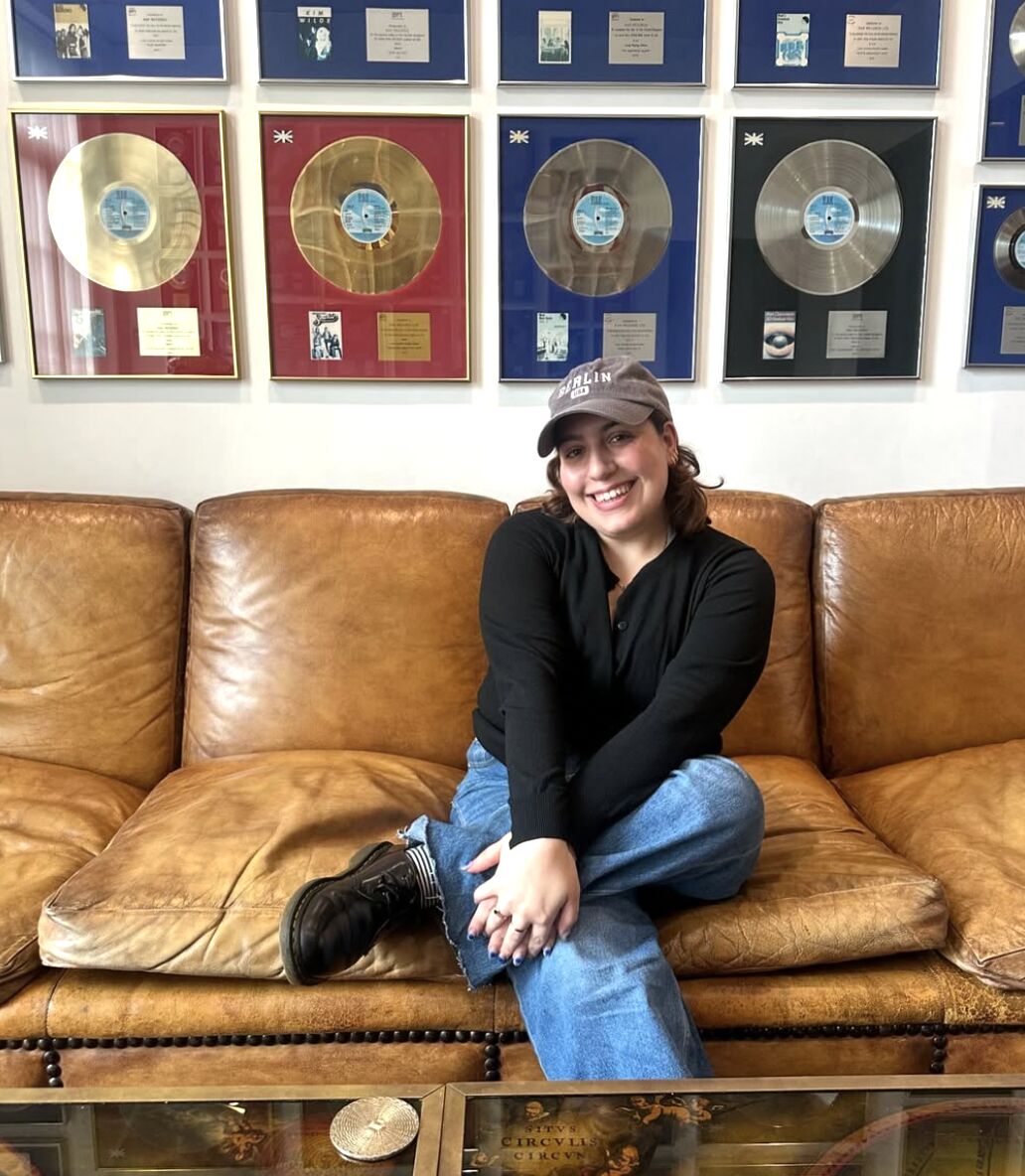
Please tell us your story! How did you get to where you are today?
I don’t think there was ever one moment where I decided, “I’m going to become an artist manager.” It happened quite organically because I was curious about every part of the music industry.
I actually started out making music myself and was fortunate enough to be part of the All Girl Electronic program in Western Sydney, which introduced me to production and songwriting in an environment that encouraged young women to experiment with music technology. Around the same time, I was studying audio engineering, writing about music, interviewing artists and presenting. Looking back, I don’t think I realised it then, but I was trying to understand the industry from every possible angle.
The turning point came when I realised I was often just as excited talking about someone else’s career as I was making music myself. I became fascinated by everything that happens behind the scenes- how one introduction, one writing trip or one opportunity could completely change the trajectory of an artist’s career. I loved connecting people, solving problems and thinking strategically.
That curiosity has taken me across artist management, A&R, publishing and writer development. Today I manage artists and songwriters through Sara Tamim Management while also working at APRA AMCOS supporting internationally active songwriters.
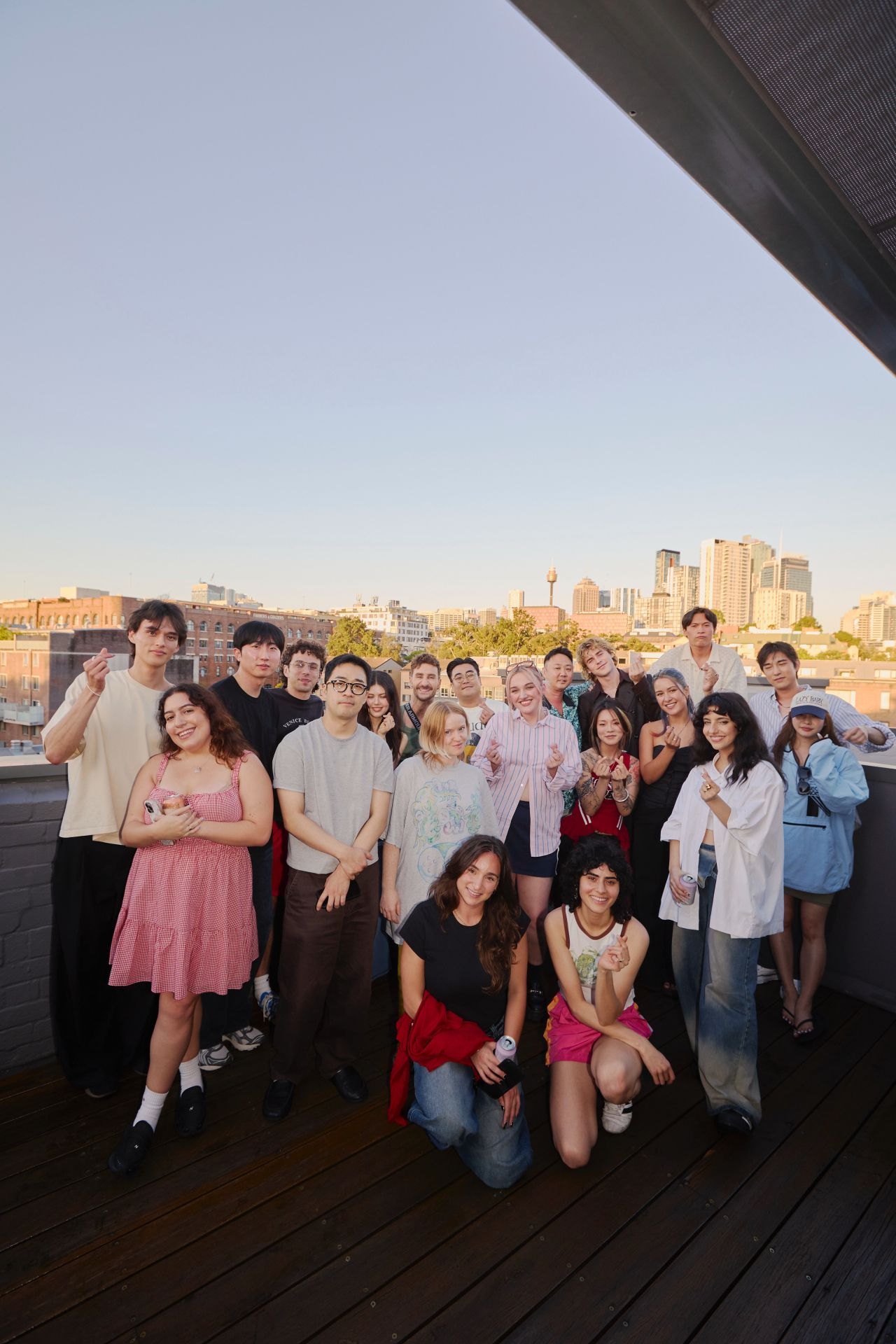
International collaboration has become the biggest passion in my career. I’ve been incredibly fortunate to spend time building relationships across Korea, Asia, the US, UK and Europe, and every trip reminds me how respected Australian writers and artists are internationally. I genuinely believe we have world-class talent; sometimes all people need is someone to help open the right door.
Looking back, every stage of my career has informed the way I work today. Having experienced the industry as a musician, engineer, journalist, A&R and manager means I understand that every artist’s journey is different. More than anything, I want to build careers that are sustainable, collaborative and built around who the artist actually is.
“I genuinely believe we have world-class talent; sometimes all people need is someone to help open the right door.”
What issues or potential issues do you think the current Australian music industry faces? Specifically in your realm of work.
If you’re based in Seoul, London or Los Angeles, you could meet publishers, labels and managers every week. In Australia, we’re often a long flight away from those opportunities, which means we have to work much harder to build and maintain international relationships. That’s why I think export funding, international showcases, writing camps and global partnerships are more important than ever. I’ve seen firsthand how one overseas trip or one writing session can completely change someone’s career.
I’d love to see us continue investing in long-term career development rather than chasing quick wins. Great careers take years to build.
I’m also passionate about creating more opportunities for women and culturally diverse people in leadership. The industry has changed enormously since I first started, but representation still matters. When people can see someone who looks like them leading teams, running companies or negotiating international deals, it helps them believe those careers are possible too.
Have you had to overcome any challenges or adversity in your career, and if so, how did you approach them?
I was often one of the youngest people in the room, and as a woman from an ethnically diverse background, I sometimes felt I had to work twice as hard to prove I belonged there.
One of the biggest lessons I’ve learnt is that you can’t build a career by trying to make everyone like you.
Artist management is about advocating for people. Sometimes that means saying no. Sometimes it means challenging decisions or having uncomfortable conversations. I’ve definitely been called “dramatic” or “difficult” over the years because I stood up for myself, my artists or what I believed was right, but I’ve never regretted doing that.
I’ve also learnt the hard way that not every opportunity is worth taking. Early on I probably believed that every meeting or every relationship was worth pursuing. Now I know that integrity matters far more than access. I want to work with people who genuinely respect artists, value collaboration and create safe, supportive environments. If that means walking away from an opportunity, then that’s okay.
I’ve been incredibly fortunate to have mentors and a community that believed in me along the way, and that’s something I try to pay forward whenever I can.
“When people can see someone who looks like them leading teams, running companies or negotiating international deals, it helps them believe those careers are possible too.”
Let’s talk about the highs versus the lows of your career. What is your greatest achievement? Are there any moments you’ve learnt greatly from?
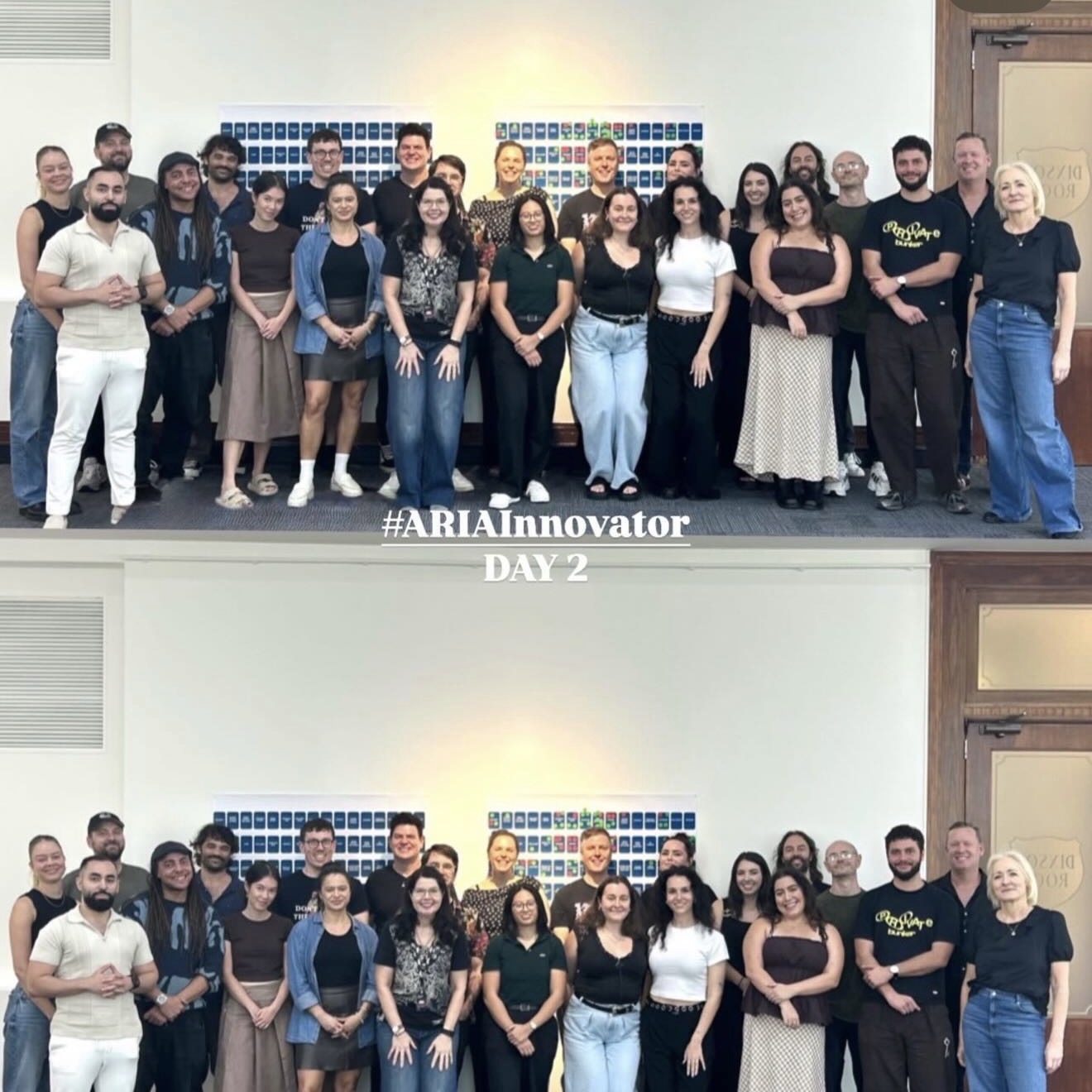
There have been some really special moments! Being nominated for AAM’s Breakthrough Artist Manager of the Year, later being recognised as Artist Manager of the Month and an ARIA Innovator, representing Australia internationally at events like WOMEX and The Great Escape, and helping lead Australia’s first widely recognised K-pop writing camp through APRA AMCOS are all experiences I’m incredibly grateful for. I also was asked to be on the judging panel for the MPEG awards, and this meant a lot to me, as someone who really gave the bulk of my career to songwriters and producers :’)
If I had to choose one achievement though, it would probably be helping create stronger connections between Australia and Korea. Watching those relationships continue long after the trip is over has been incredibly rewarding.
But actually, some of my biggest lessons have actually come from the projects that didn’t work out. But you also never know what that could lead to. I try not to become too discouraged because consistency, strong relationships and genuinely caring about people will always outlast a single successful project.
Who are your role models in the industry, be they local or international?
The people I admire most are generous (wherever they live).
I’ve met incredible music people around the world, and the ones who have stayed with me aren’t necessarily the most well known- they’re the people who make time for emerging artists, introduce people without expecting anything in return and genuinely celebrate other people’s success.
I’m endlessly inspired by the Korean music industry and its commitment to long-term artist development and collaboration. I do think we can learn from the way they invest in songwriters, relationships and global thinking.
Ultimately, I want to build the kind of career where people remember me not only for the work I did, but for how I made them feel and the opportunities I created for others.
“One of the biggest lessons I’ve learnt is that you can’t build a career by trying to make everyone like you.”
What has been the best gig you’ve ever seen?
Coachella will always be one of the most memorable experiences of my life haha!
I was lucky enough to attend as industry, so I experienced it through both the eyes of a music fan as well as a manager. Watching artists from all over the world perform at that level, seeing how live shows can become cultural moments and meeting people from every corner of the global music community reminded me why I love this industry so much.
It also reinforced something I think about often- that Australian artists absolutely belong on those stages.
How do you unwind when you’re stressed?
Travel (for leisure) is probably my favourite reset button.
I love wandering around without an itinerary and experiencing different cultures. Some of my best ideas have come while walking around Seoul or London with nowhere particular to be!
Closer to home, I guess spending time with family and friends, going to gigs and discovering new music helps me switch off. Even though music is my career, actually it’s still my favourite hobby.
“Consistency, strong relationships and genuinely caring about people will always outlast a single successful project.”
Do you have any non-negotiable self-care activities?
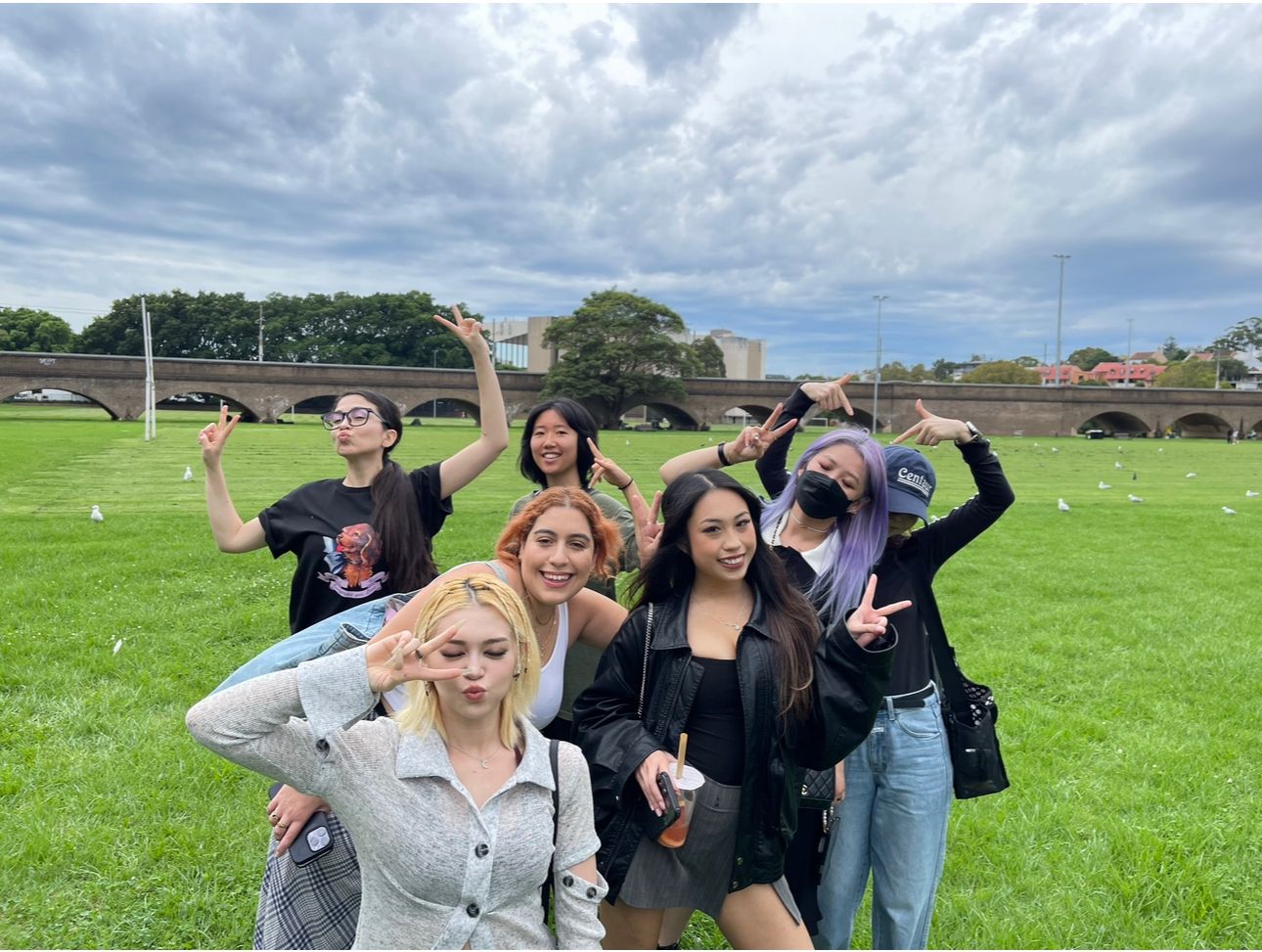
Spending time with the people I love is probably the biggest one.
Working across multiple projects means there will always be another email or another task waiting, but I’ve realised I’m a much better manager, colleague and friend when I actually give myself permission to slow down.
How do you manage work/life balance?
I’m still working on it!
Music doesn’t really fit into a nine-to-five schedule, especially when you’re working internationally, so I’ve stopped chasing the idea of perfect balance.
Instead, I try to be intentional. When I’m working, I’m fully present. When I’m travelling or spending time with family and friends, I try to protect that time too. I’ve also become much better at recognising that saying yes to everything isn’t sustainable.
“I want to build the kind of career where people remember me not only for the work I did, but for how I made them feel and the opportunities I created for others.”
What is your go-to karaoke song?
I have this distinct memory of singing ‘On A Night Like This’ by queen Kylie on singstar as a kid, so I always bring it out for Karaoke hahaha