
Please tell us your story! How did you get to where you are today?
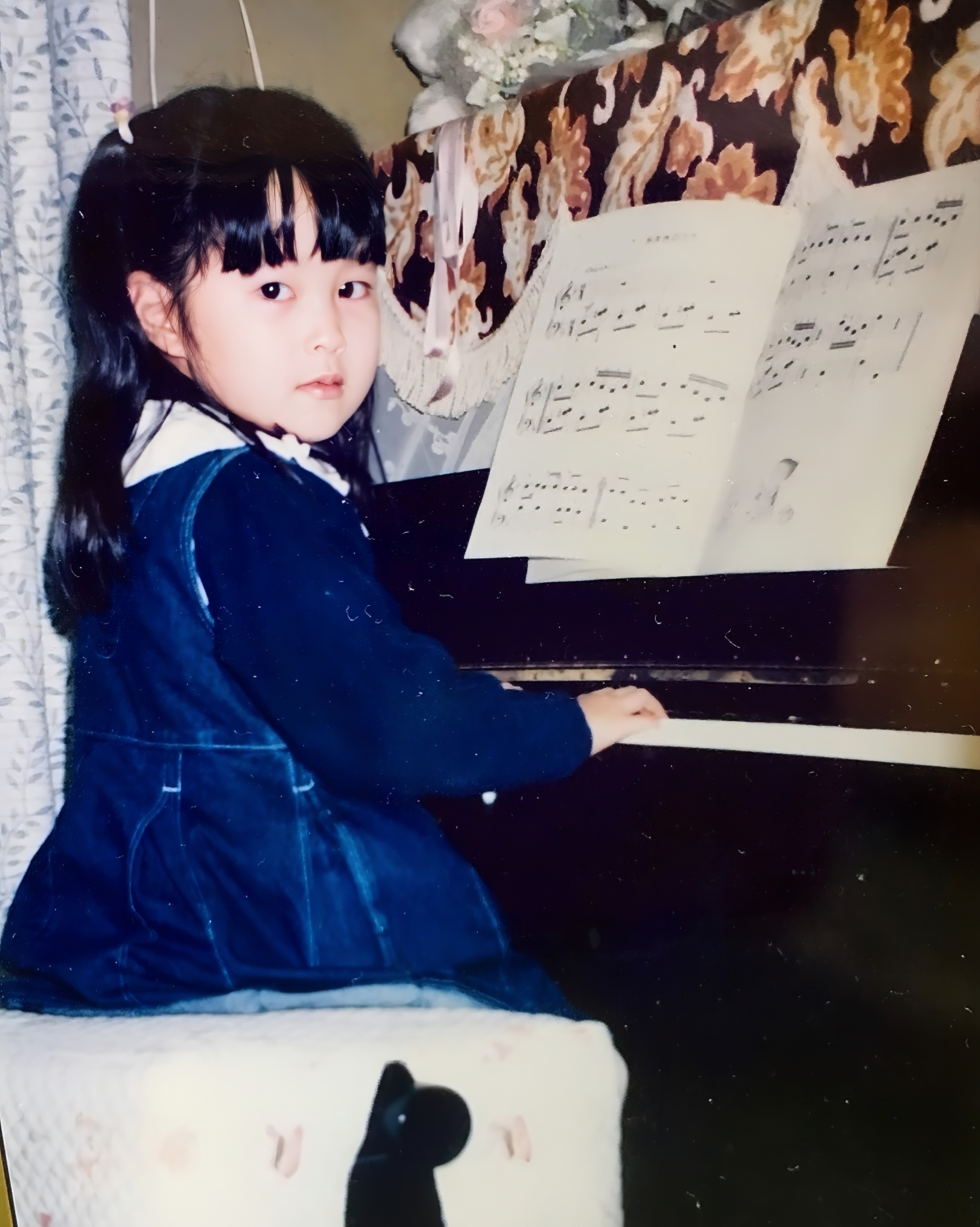
My musical journey began in Japan when I was two years old. My parents found out that I had perfect pitch, and I spent many years training and competing as a classical pianist.
I also became interested in languages and music from around the world, especially R&B, gospel, soul, and old-school hip-hop.
As a teenager, I discovered the Liverpool Institute for Performing Arts, or LIPA, established by Paul McCartney from The Beatles, while browsing the internet. The school offered a program combining pop performance and sound technology, which matched my interests perfectly. Although I did not know much about Liverpool at the time, I knew I wanted to study there. I was eventually accepted, beginning my international journey in music.
During my final year at LIPA, I was introduced to film and television composition. It connected my interests in music, technology, and storytelling, and I decided to pursue it as a career. I later moved to the United States, earned a master’s degree in film and television composition, and eventually relocated to Los Angeles.
My first years in California were challenging. I worked unpaid projects and several day jobs while building my portfolio and gaining experience. I also faced so many obstacles, but I turned those experiences as motivation to continue moving forward. Over time, I began working on television shows, film trailers, and other professional projects.
A few years before the pandemic, I began working with a startup focused on game audio. This introduced me to interactive media and expanded my experience beyond film and television. Three years later, I became independent again and started my own company, SIA Sonus, in Los Angeles serving mostly as a multimedia composer and music director.
“Nothing happened overnight; it was the result of consistent effort and meaningful connections.”
You discovered you had perfect pitch at age 2 and started classical training almost immediately. How has that shaped the way you hear and build a game’s musical identity today?
I rely heavily on my ears to analyze music, from its style, harmony, rhythm, instrumentation, and orchestration to its production – such as reverb, EQ, and whether it uses programmed or live instruments. While I have studied music theory, listening provides information more efficiently. Drawing on this experience and my musical memory, I can quickly identify the right musical direction for a game based on its audience, story, budget, and timeline. I can also memorize musical references almost instantly, allowing me to begin work without repeatedly checking files or links. I’m grateful for this skill, for sure.
Tell us about your current role and professional life, what does your day-to-day entail as a game music director?
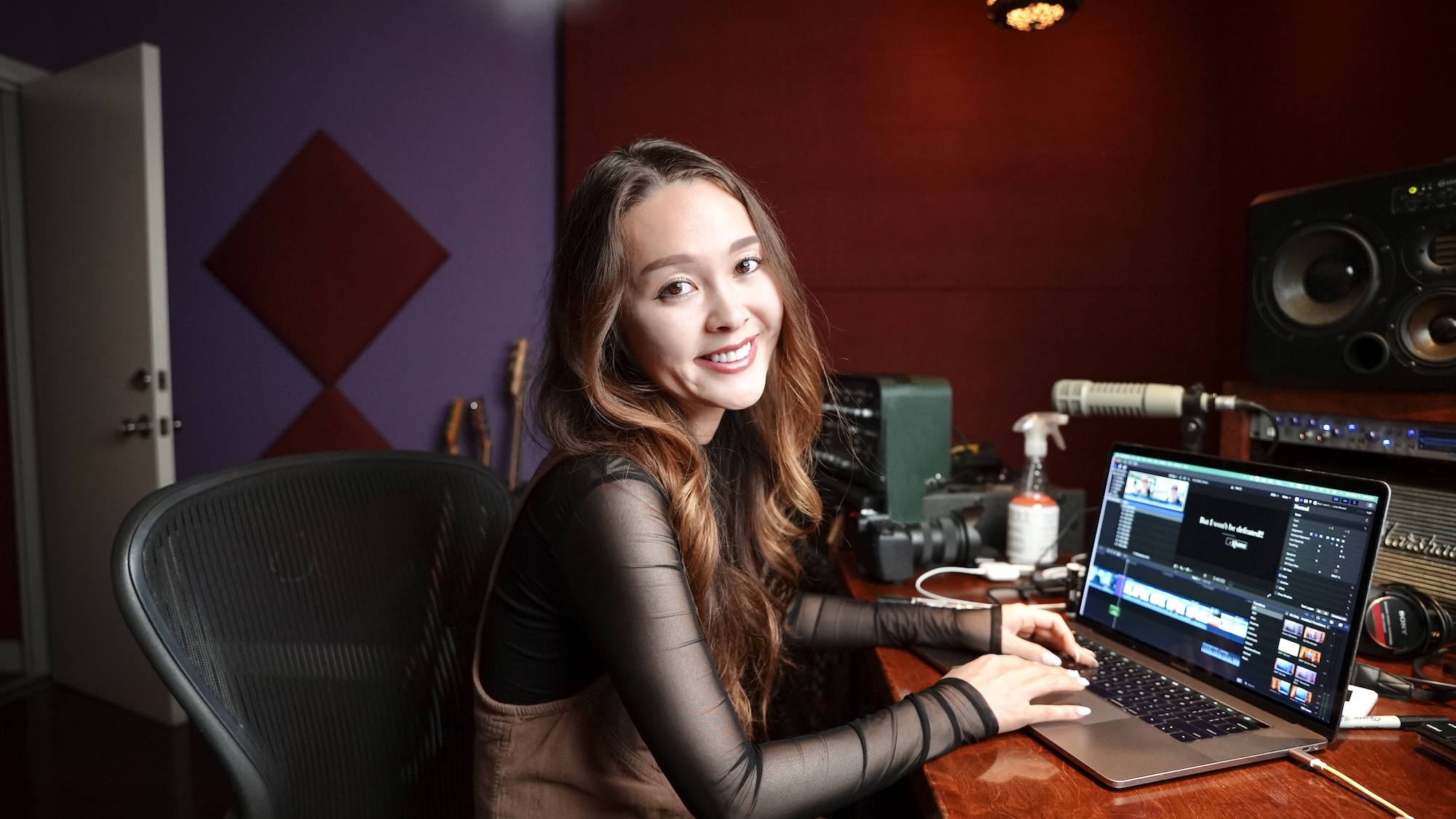
I am primarily a composer and music director for film, television, commercials, video games, theme parks, fashion shows, and other media. As a music director, I develop and manage music and sound strategies, supervise artists and performers, oversee budgets and workflows, and act as a liaison between production and creative teams. I find this multifaceted role especially rewarding on international projects.
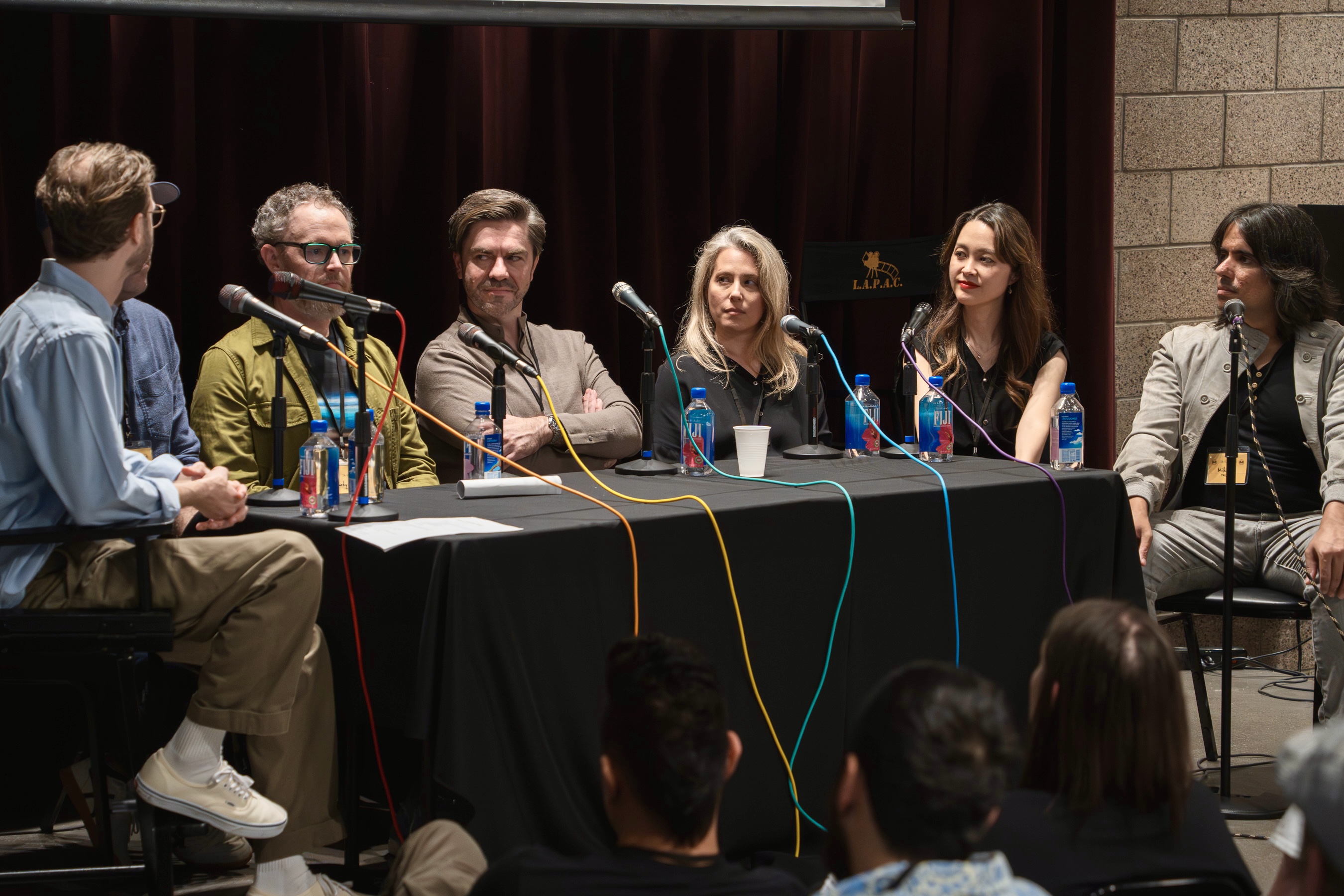
Beyond the musical aspects of my work as a music director, I devote significant time to communication through email, Zoom calls, in-person meetings, and social media. Over the years, I have come to understand that strong communication skills are just as important as creative ability in this role. I continue to attend events, concerts, meet-ups, and conferences to connect with new people and build meaningful professional relationships.
“We only have one life, and although building a career matters, we should not overlook the limited time we have to enjoy ourselves and explore the world.”
As a music director, you sit between composers, developers, performers and audio teams. What’s the hardest part of translating a developer’s vision into an actual sound?
It is not necessarily difficult, but translating a developer’s vision into sound is always both challenging and exciting. When a developer is less familiar with music or sound, I can propose ideas based on their verbal description, storyboard, or beta gameplay, if available. However, when they already have a specific musical or sonic direction in mind, my role becomes more like that of a doctor determining the right treatment: I listen carefully, use familiar references from games or films to clarify their ideas, and consider their cultural and historical background as well. This allows me to create a sound world that is carefully tailored to their vision.
How did you get your start working across music and gaming? Any advice for people wanting to work in your field?
This may overlap with the previous question, but I worked on unpaid projects while holding several day jobs. Over time, I gradually built a network that led to opportunities in music and game audio. Nothing happened overnight; it was the result of consistent effort and meaningful connections.
For anyone hoping to enter this field, I recommend staying connected with people and companies while keeping up with new information and technologies. At the same time, it is important to value your personal life. I am now a mother to a nine-month-old, and this experience has given me a broader perspective. We only have one life, and although building a career matters, we should not overlook the limited time we have to enjoy ourselves and explore the world. Those personal experiences can also enrich the creative work we do.
“Instead of complaining, I chose to see my diverse background as a strength.”
Your work spans orchestral, electronic, pop, R&B and Japanese traditional influences. How do you decide which sonic world fits a game like Bayonetta 3 versus something like Trek to Yomi?
As a composer, I begin by listening carefully to my clients and working with them to discover the musical direction that best serves their vision. We explore which sonic worlds feel right, how those elements might be balanced in a hybrid approach, and whether there is room to move beyond my usual influences. Naturally, traces of my artistic voice find their way into each piece, shaping the character of my music. Above all, I strive to be a creator who can translate my clients’ needs into a compelling sonic and musical world.
Your international upbringing across Japan, the UK and the US clearly shows up in your sound. How do those different musical cultures show up when you’re scoring a game?
This isn’t limited to scoring games; it applies to everything I write, regardless of the platform. People have often pointed out that fragments of my upbringing and cultural influences naturally find their way into my music. For example, traditional Japanese rhythmic patterns may emerge in an otherwise Western orchestral piece, while layers of synths might evoke vintage British pop, alongside a more American or “Hollywood” approach to production.
Sometimes I introduce these elements intentionally, but often they find their own place in the music before I even notice them.
“Being different can make you less easily dismissed or replaced.”
Have you had to overcome any challenges or adversity in your career, and if so, how did you approach them?
My mum often says my life has been full of obstacles and challenges – and I have to agree! Being a foreigner, navigating language and cultural differences, dealing with labour restrictions, and working as a woman entrepreneur in male-dominated industries created countless barriers. In Los Angeles, I was often the only foreigner, minority, or woman in the room.
Instead of complaining, I chose to see my diverse background as a strength. Those challenges shaped who I am and continue to influence my music. I have always believed that I should never let obstacles defeat me before achieving my goals; being different can make you less easily dismissed or replaced.
My greatest realisation is that the people around us are among our greatest assets. Partners, family, friends, and colleagues who have faced their own hardships can truly understand and support us. Their encouragement has helped me keep moving forward, and nurturing those reciprocal relationships is an important part of my “ikigai”.

What has been your proudest achievement so far?
Working on a project my parents recognized was especially meaningful to me. They are not gamers and usually would not recognize the names of video games, but even they knew Street Fighter. So, when I worked on CAPCOM Fighting Collection 2, which features the iconic series, I felt an especially strong sense of pride.
“The people around us are among our greatest assets.”
What’s your go-to Karaoke song?
I haven’t been to karaoke in so long! I really should go because I miss it. I used to go all the time when I lived in Japan. My song choices are pretty eclectic, ranging from J-pop and ’80s and ’90s R&B to Disney songs (I have a niece and a nephew I can sing to). I can’t choose just one song or genre! Haha.